Description
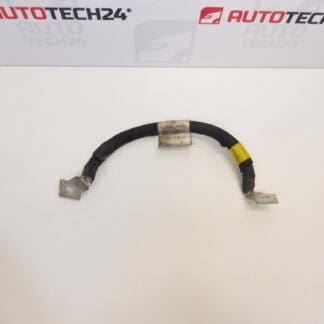
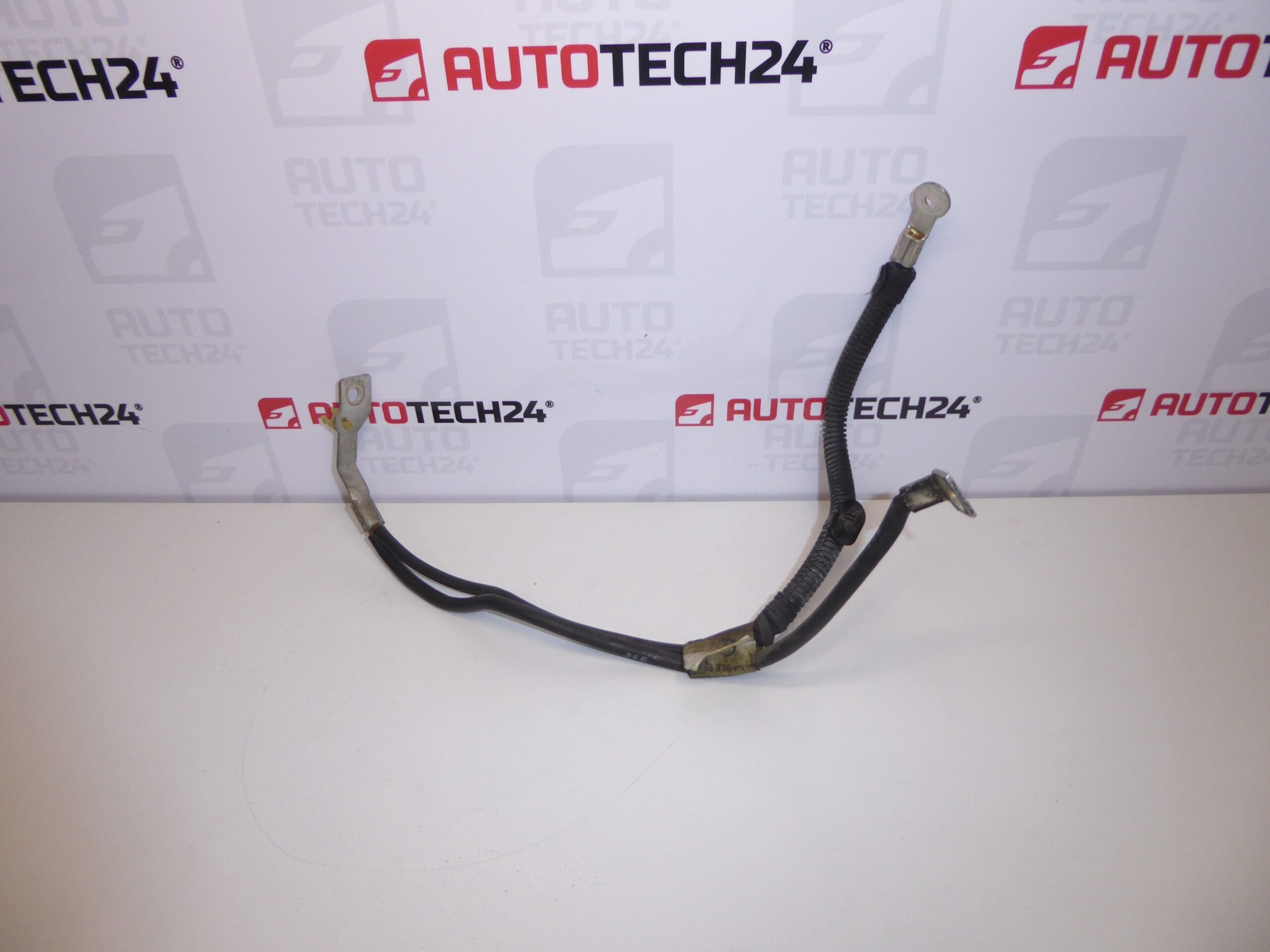
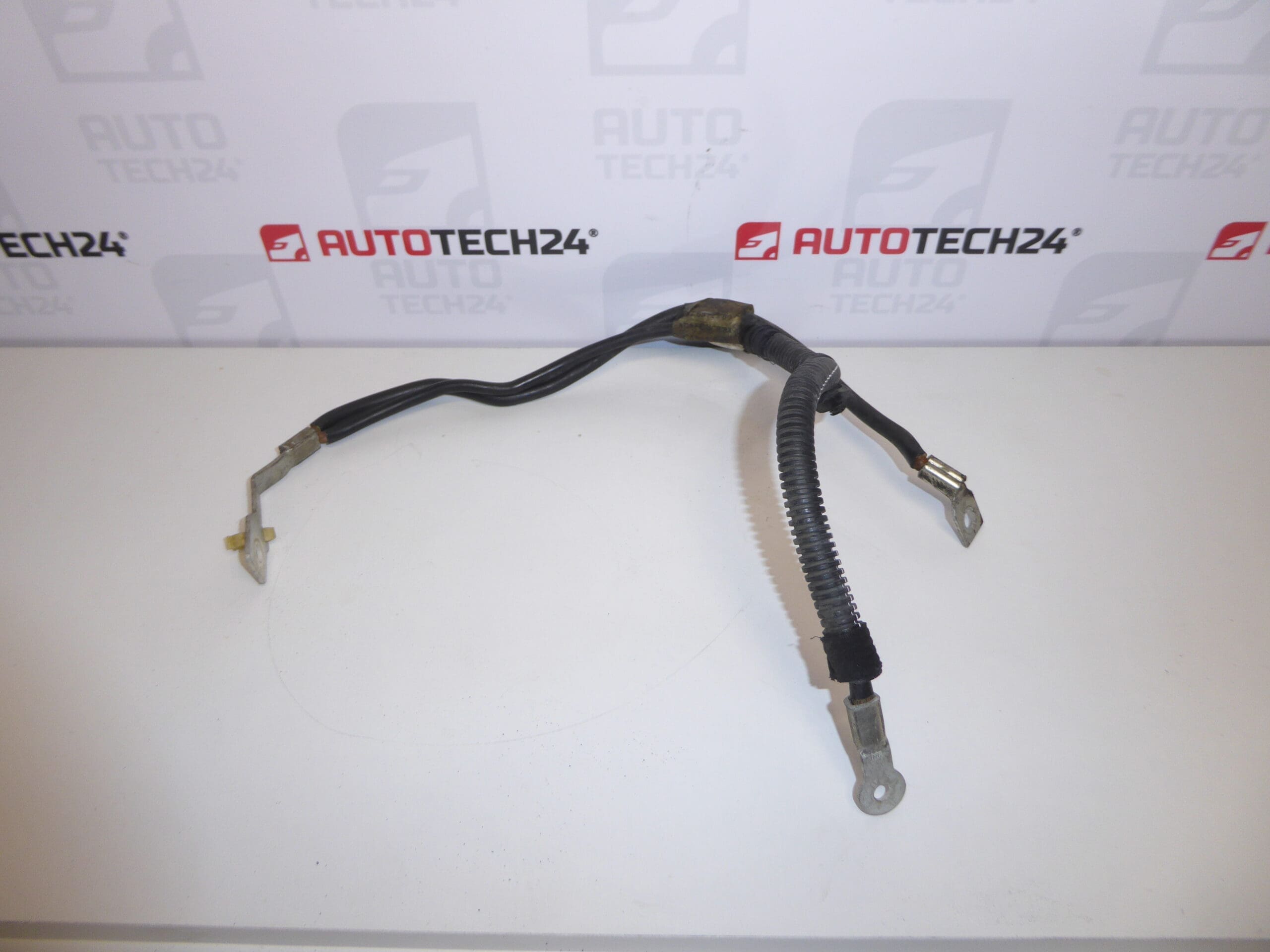
Negative battery cable for Citroën and Peugeot vehicles.
This negative battery cable is designed for Citroën and Peugeot passenger cars and carries OE cross-reference numbers commonly used in parts searches. Built to ensure reliable vehicle grounding, it is a direct-fit replacement for vehicles using the listed product codes and models. Ideal for professional workshops and competent DIY mechanics who need a robust ground connection for the starter, alternator and vehicle electronics.
Technical information
- Manufacturer: Stellantis
- Model: Citroen C4 II; Citroën C4 Picasso; Peugeot 308
- Product Codes: 9676812380
- Additional Numbers: 9802871680, 5638PQ
Function and Advantages
The negative battery cable (ground cable) provides the return path for electrical current from the vehicle’s electrical system to the battery negative terminal and chassis. A secure, low-resistance ground is essential for correct starter operation, stable charging from the alternator and reliable operation of sensors and control modules. Using the correct OE-referenced cable helps avoid voltage drops, starting problems and intermittent electronic faults.
How To Replace (Workshop / DIY)
1. Park the vehicle on a level surface, engage the parking brake and switch off all electrical consumers. Remove metal jewelry and wear safety gloves and eye protection.
2. Disconnect the battery: Always disconnect the negative terminal first. If necessary for access, also disconnect the positive terminal, but keep the vehicle’s safety procedures in mind.
3. Note or photograph the cable routing and fastening points. Remove any clamps, brackets or protective tubing that secure the cable.
4. Remove the worn cable from both the battery negative terminal and the ground point (chassis or engine block). Inspect contact surfaces for corrosion or damage.
5. Fit the new cable following the original routing. Ensure terminals seat fully and clamps are tightened securely (do not over-torque). Reinstall any brackets or protective covers.
6. Reconnect the battery: If you disconnected both terminals, connect the positive terminal first, then the negative. Check that all electrical systems operate normally and that no warning lights remain illuminated.
Installation Recommendations
- Always disconnect the battery before starting work and follow vehicle manufacturer safety procedures.
- Clean mating surfaces to bare metal where the cable clamps to the chassis or engine to ensure low-resistance contact. Remove paint, corrosion and dirt.
- Route the cable away from hot components (exhaust manifold, turbo) and moving parts to prevent heat or abrasion damage. Secure with original-style clips or suitable fasteners.
- Use appropriate terminal clamps and tighten to a firm fit—avoid excessive force that can deform terminals. If available, use dielectric grease on the clamp contact area to reduce future corrosion.
- After installation, verify charging system voltage and starter operation. If intermittent electrical faults persist, inspect other grounding points and the positive cable.
Common Failure Reasons
Negative battery cables typically fail due to corrosion at the battery terminal or chassis connection, mechanical fatigue from vibration, heat damage when routed too close to exhaust components, or physical wear from chafing. Acid exposure from a leaking battery and poor initial crimping or loose connections also cause increased resistance, leading to starting issues, dim lighting or random electronic faults.
Notes for Buyers
Many customers search by OE number—include the product codes above when checking fitment for your vehicle. This cable is intended as a direct-replacement part for the models listed; confirm visual match with the removed cable before final installation.