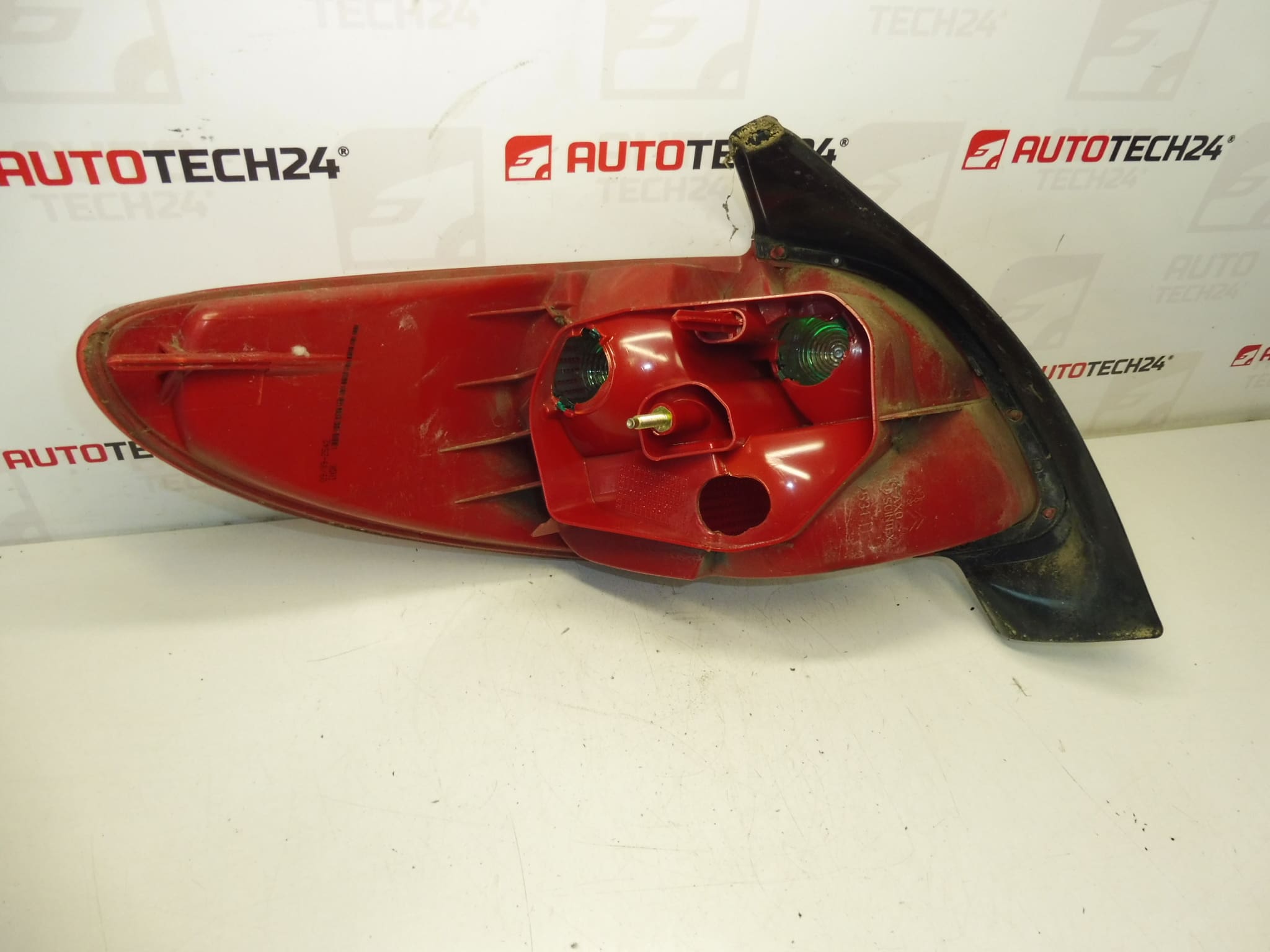
Description
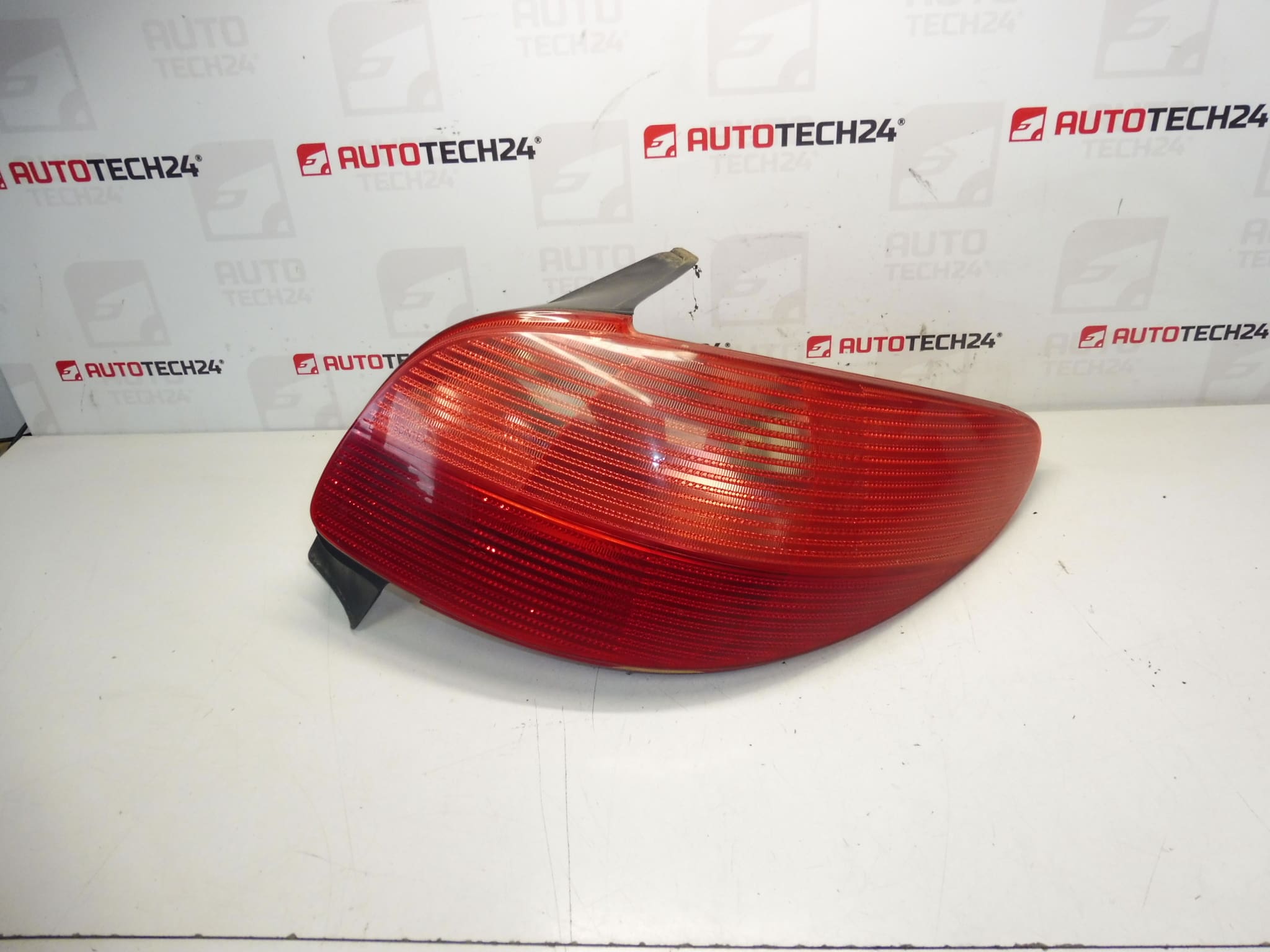
Right rear lamp for PEUGEOT 206 3/5 doors
Until the year of production 6/2003
Side behind the passenger
Part description
This used right rear lamp Peugeot 206 is designed for 3/5 door cars and according to the documents supplied, it is suitable until the year of production 6/2003. This is a part on the side behind the passenger, i.e. the right rear part of the car.
The rear light is an important part of the bodywork and traffic safety. A properly functioning lamp ensures good visibility of the car for other road users and helps trouble-free operation of the brake, marker and direction lights according to the specific equipment of the car. Parts are often searched for by the original number, so the designation 6351P1 is important for easier tracking.
For auto mechanics and home repairmen, it is a practical choice when replacing a damaged or non-functional rear light without the need for unnecessarily complex modifications, if the design of the original part and the new part agree.
Technical information
- Manufacturer: Stellantis Citroën Peugeot
- Model: Peugeot 206
- Other numbers: 6351P1, NFP
Product codes
- Product codes: 6351P1
- Model names: Peugeot 206
Installation recommendations
Generally/typically for rear lamp replacement, the exact procedure may vary slightly depending on the specific design of the car. With a used part, it is always advisable to carefully compare the new and original piece first.
1) Before assembly
- Check that the right side, lamp shape, mounting and connectors match.
- Compare the part number 6351P1 and overall design with the old lamp.
- Check the condition of the cover, attachment points, sealing surfaces and contacts of the bulbs or connector.
- Make sure the part used is not cracked or damaged which could cause leakage or poor lighting performance.
2) Necessary tools and materials
- Basic set of hand tools
- Screwdriver or gola set depending on the type of attachment
- Clean cloth
- Preparation for cleaning contacts, if needed
- Work gloves
3) Step-by-step assembly procedure
- Turn off the ignition and secure the vehicle against movement.
- Open access to the back of the lamp from the body compartment depending on the car design.
- Disconnect the electrical connector or remove the bulb carrier if the lamp is handled this way.
- Carefully loosen the fasteners of the original lamp.
- Remove the old lamp so as not to damage the surrounding paint, seals or plastic parts.
- Clean the landing surface and check that there is no dirt or moisture left in the place of storage.
- Compare the old and new part side by side, especially the shape, attachment points and electrical connections.
- Place the used lamp in place without force and check for proper seating.
- Install the fasteners and tighten evenly to avoid stressing the plastic.
- Connect the electrical connector or replace the bulb carrier.
- Before final covering, test the function of individual light functions.
- After verifying the function, complete the assembly and recheck the seat of the lamp in the body.
-
4) Post-assembly checks and test drive/function verification
- Check the marker light, brake light, direction light and other light functions according to the car’s equipment.
- Check that the lamp is firmly in place and there is no gap between the lamp and the bodywork.
- After a short ride, recheck the mounting and any signs of vibration or leaks.
5) The most common assembly mistakes + how to avoid them
- Swapping the right and left sides – always compare the orientation of the part before assembly.
- Incorrect placement of the lamp – the lamp must sit straight, without crossing the attachment.
- Neglected contact cleaning – dirty contacts can cause light outages.
- Installing a damaged sealing interface – can lead to moisture ingress into the lamp or body.
- Damage during parking or minor impact to the rear of the car
- Cracking of the cover due to the age of the material and temperature changes
- Water leakage and subsequent corrosion of contacts or deterioration of the lighting function
- Damage to attachment points during careless disassembly
- Vibration and long-term mechanical stress during operation