Description
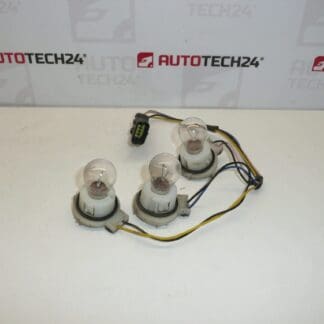
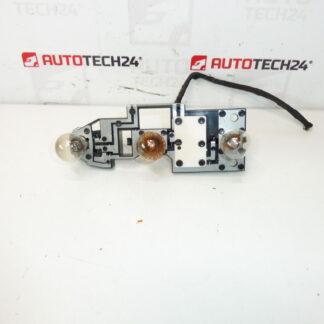
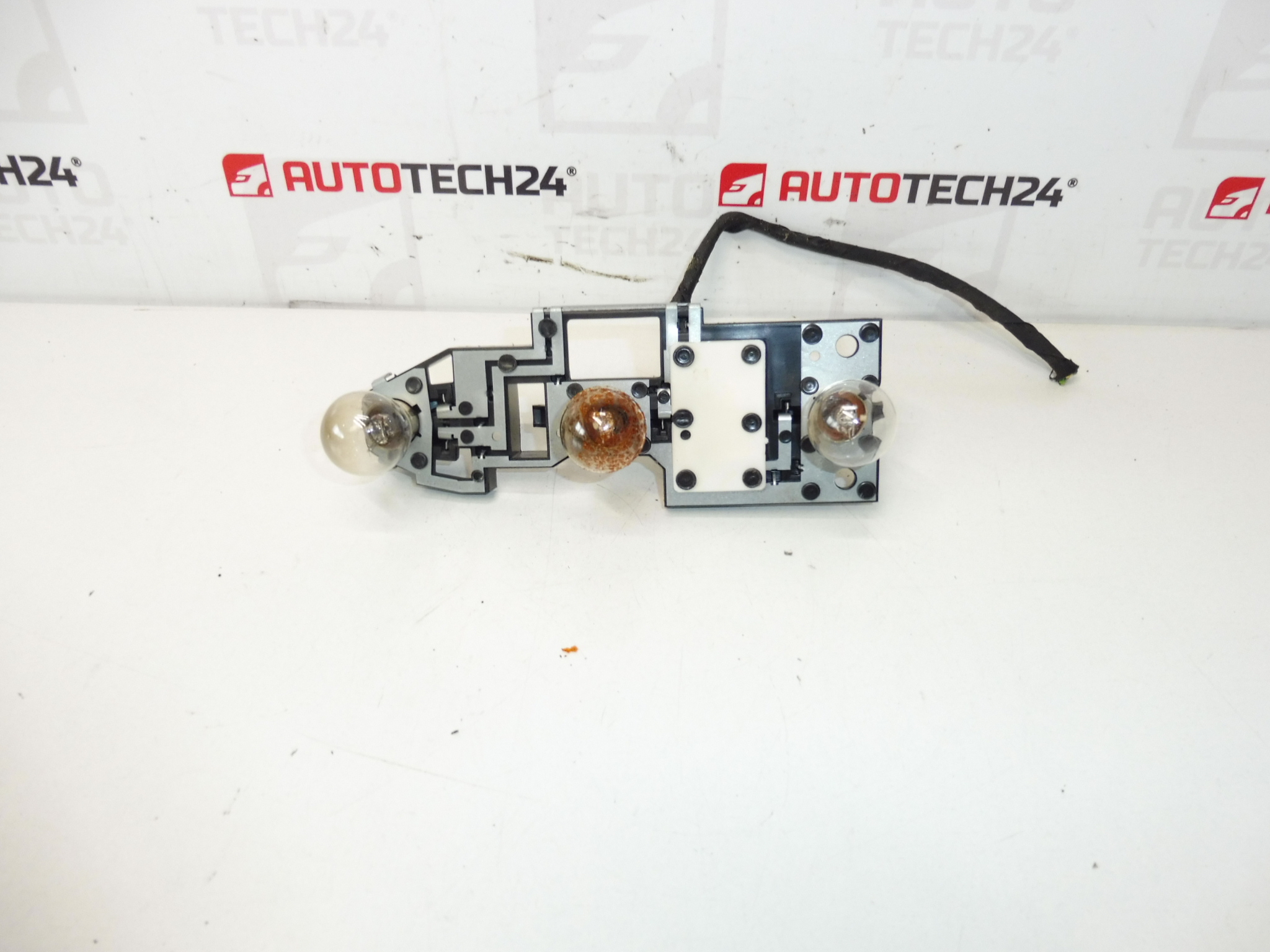
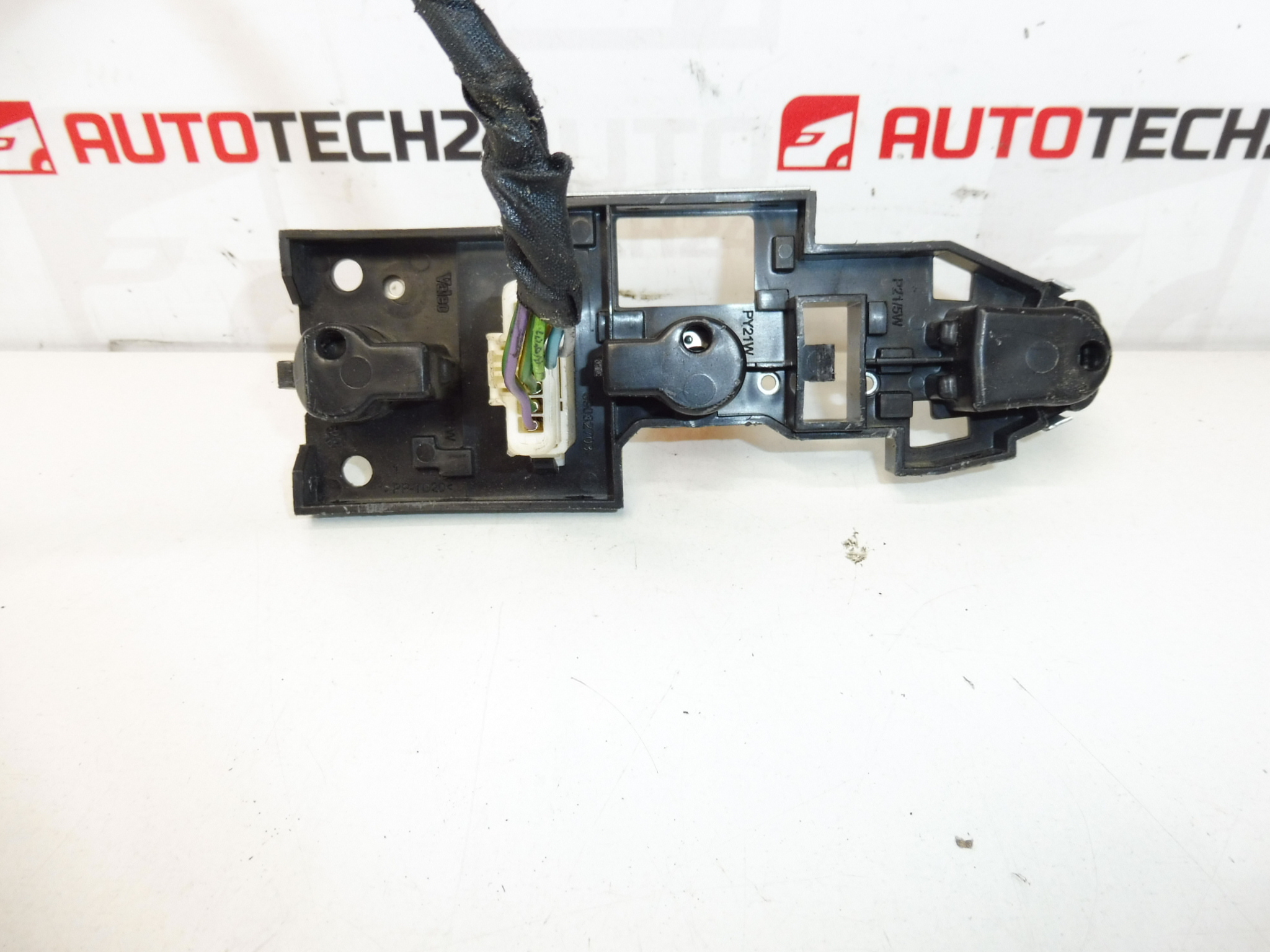
Socket with bulb for right and left rear outer lamp Citroën C5 II sedan. Functionality of bulbs not guaranteed. Comes with a piece of wiring.
Product Overview
Replacement rear lamp bulb socket with a short section of wiring intended for the outer right and left tail light assemblies of the Citroën C5 II sedan. This part is useful for repairing damaged or corroded bulb holders and restoring a reliable electrical connection to the rear outer lamp. Common search terms include Citroën C5 II rear lamp socket, tail light bulb holder, 89032703, and tail light wiring harness.
Who Should Buy This
Designed for professional technicians and experienced DIYers who perform bodywork and lighting repairs. Suitable when the original socket is cracked, contacts are corroded, or wiring insulation is damaged. Frequently searched by part number, so the OE reference is included in the technical section below.
Installation
Access the rear outer lamp from the trunk by removing the trim panels. Unbolt or unclip the lamp assembly, then release the bulb holder from the lamp housing. Disconnect the electrical connector and remove the damaged socket. Fit the replacement socket, secure the connector, and reassemble the lamp and trim. Test all lighting functions (tail, brake, and indicator) after installation. Always follow vehicle-specific procedures and safety precautions.
Technical Information
- Manufacturer: Stellantis (Citroën/Peugeot)
- Model: Citroën C5 II (Sedan)
- Product Codes: 89032703, 6350V3, 6351V3
- Other Numbers: NFP
Installation Recommendations
- Disconnect the battery before beginning work to avoid short circuits and ensure personal safety.
- Inspect mating connectors and the lamp housing for corrosion or water ingress; clean contacts or replace connectors if necessary.
- Use a small amount of dielectric grease on the contacts to improve corrosion resistance and electrical reliability.
- Route and secure the wiring so it cannot be pinched by the lamp assembly or trunk panels and is protected from sharp edges and heat sources.
- After installation, verify all lamp functions and error messages on the instrument cluster.
Why This Part Fails
Typical causes of socket failure include contact corrosion from moisture ingress, heat-related deformation from high-power bulbs or poor ventilation, mechanical damage when removing or installing bulbs, and deterioration of insulation and connectors over time. Water leaks into the lamp housing accelerate corrosion and contact loss, so addressing the lamp seal is often necessary to prevent repeat failures.