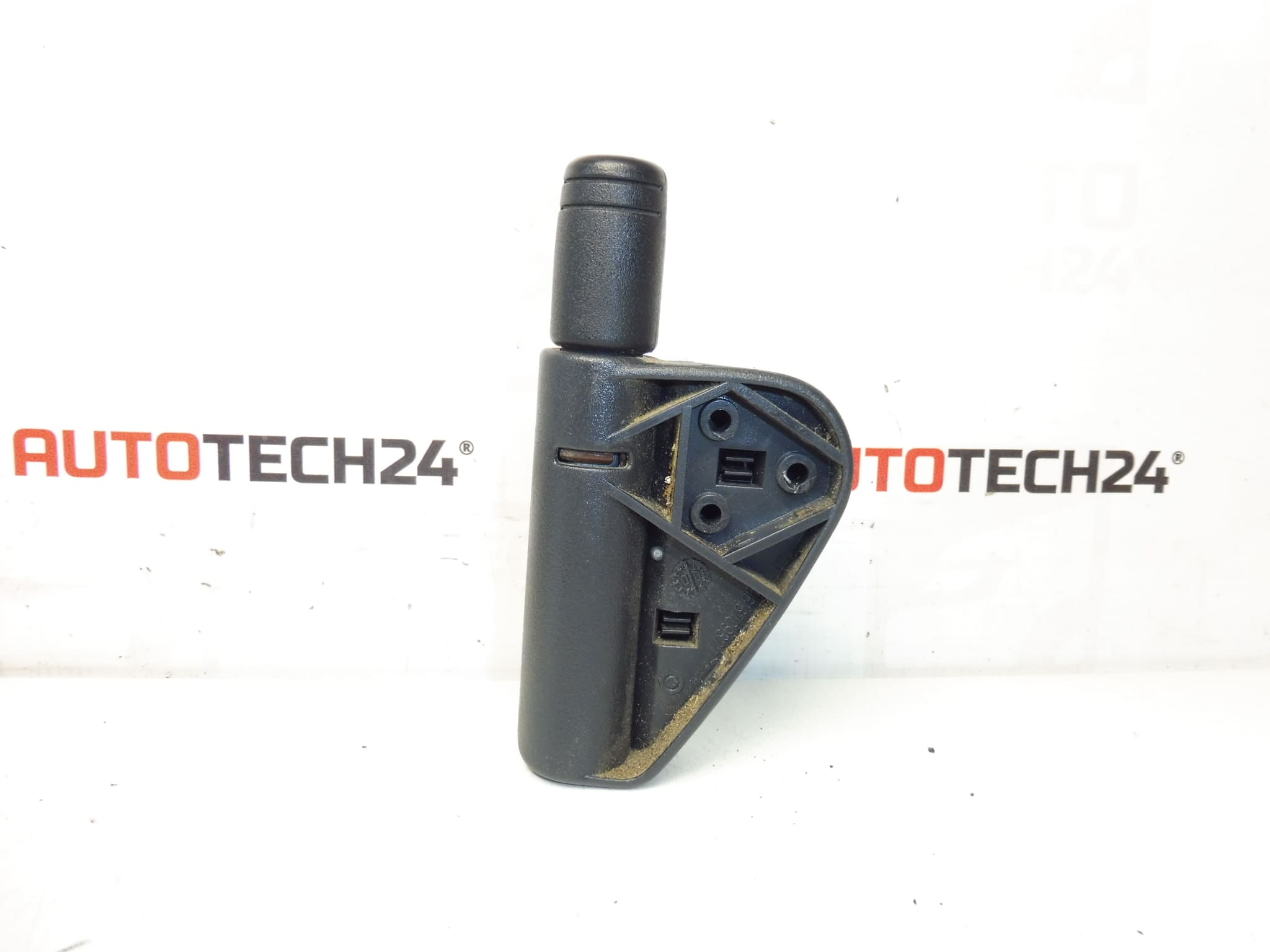
Description
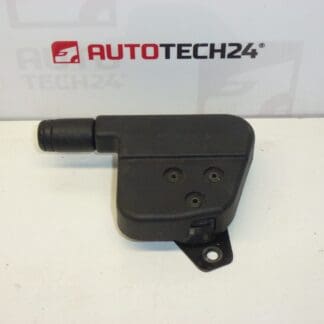
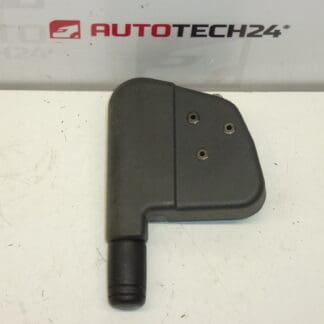
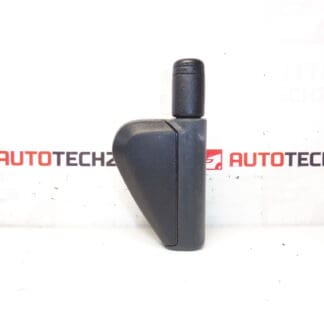
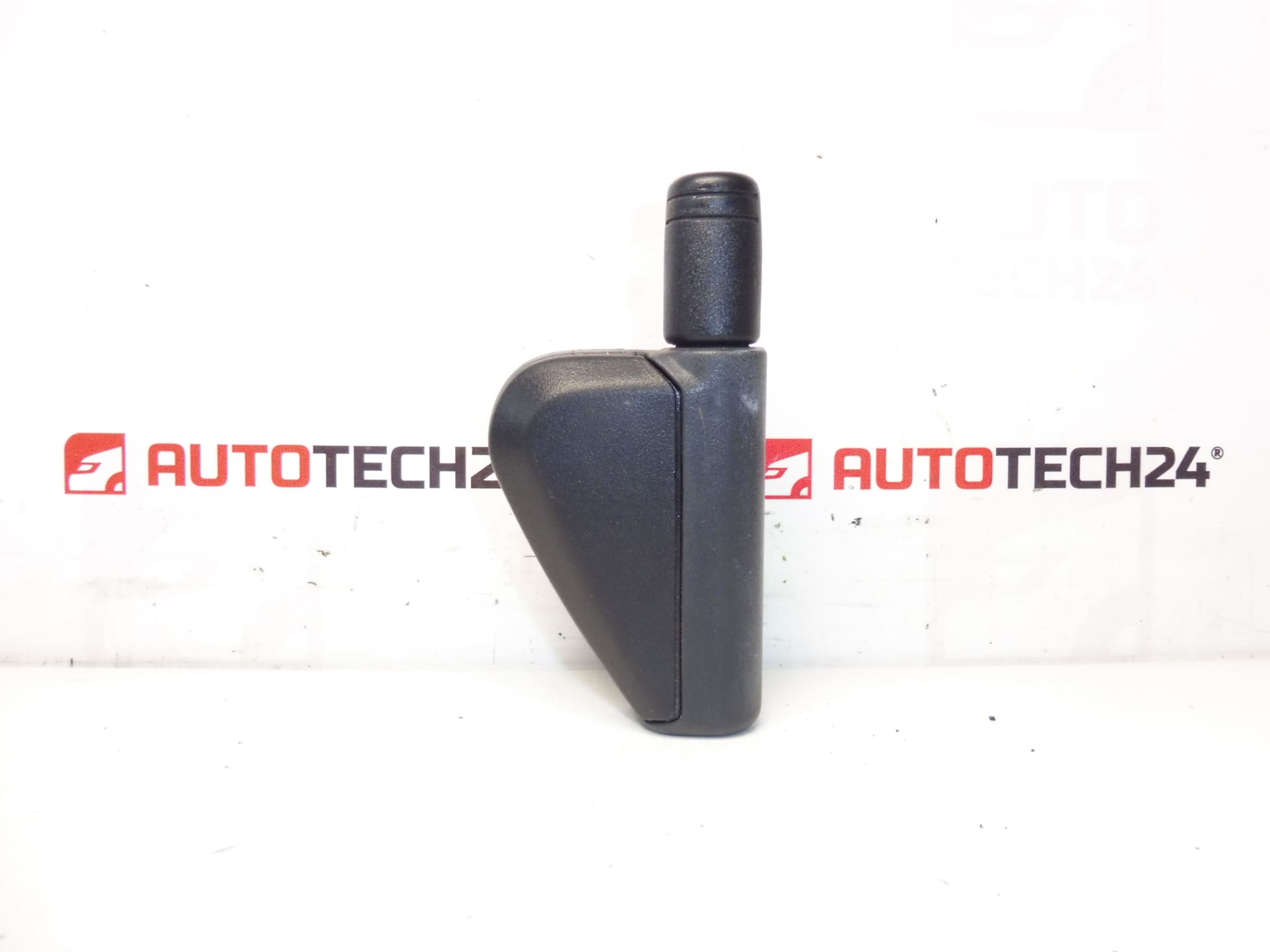
Seat Height Adjustment Control PEUGEOT 406
Color FZL – Gray Ouragan
Driver Side
This genuine used seat height adjustment control is designed for the driver’s electric seat on the Peugeot 406. It restores reliable up/down and tilt movements of the seat when the original switch becomes worn, intermittently responsive or fails completely. Ideal for professional workshops and skilled DIY mechanics, the part is supplied with manufacturer cross-references for quick lookup by product code.
What This Part Does
The switch controls the electric motor(s) that adjust the height and angle of the driver’s seat. It sends low-voltage control signals to the seat motors and central comfort unit (where fitted). A functioning switch ensures smooth, step-free adjustments and correct memory of the selected seating position when integrated with vehicle systems.
Compatibility And Application
Designed For Peugeot 406 models equipped with electric driver seat height adjustment. Check vehicle specification to confirm the car has an electric height adjuster on the driver side before ordering. Common fitment scenario: mid-to-late production Peugeot 406 variants with power seats.
Technical Information
- Manufacturer: Stellantis (Citroën/Peugeot)
- Model: Peugeot 406
- Product Codes: 9616709377, 8920T5, 8920W1, NFP
- Other Numbers: Color Code FZL (Gray Ouragan); Position: Driver Side
Installation Recommendation
Before starting, disconnect the vehicle battery and wait a few minutes to avoid accidental airbag deployment or electrical damage. Typical replacement steps for a trained technician or competent DIY mechanic:
- Slide the seat to gain access to side trims and remove seat trim panels carefully to avoid breaking clips.
- Locate the switch assembly and unplug the electrical connector(s).
- Remove the fixing screws or clips securing the switch; replace the defective unit with the new one.
- Reconnect the electrical connector, reassemble trim panels and reconnect the battery.
- Test all seat movements and controls for correct operation before returning the vehicle to service.
Use suitable trim tools, torque settings and follow manufacturer safety procedures during removal and installation to prevent damage to seat trim, airbag wiring or connectors.
Why This Part Fails
Common causes of failure include wear of internal contact tracks, ingress of dirt or moisture leading to corrosion, mechanical damage from heavy use, and broken or fatigued plastic levers and clips. Intermittent operation is often caused by worn contacts or a poor connector connection rather than the motor itself. Electrical faults in the seat wiring or a faulty seat motor may present similarly and should be diagnosed before replacing the switch.
Practical Tips
- If the switch feels loose or operates intermittently, inspect the connector for corrosion and ensure pins are straight and clean.
- When replacing, take note of trim clip locations and use proper plastic trim tools to reduce the risk of breakage.
- Keep the work area dry and avoid contaminating the switch with lubricants or cleaning agents that could interfere with electrical contacts.
Warranty And Quality Note
Product codes and part numbers are provided for faster identification. Compatibility should be verified against the vehicle’s OEM part numbers before ordering. This listing is aimed at experienced mechanics and competent DIYers who can perform correct fitment and testing.