Description
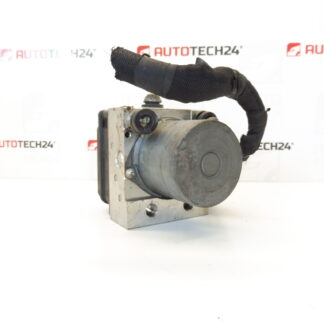
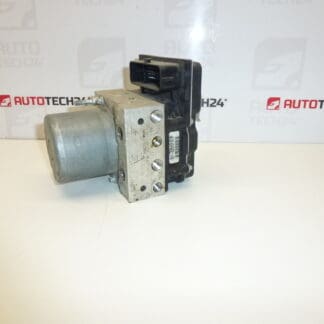
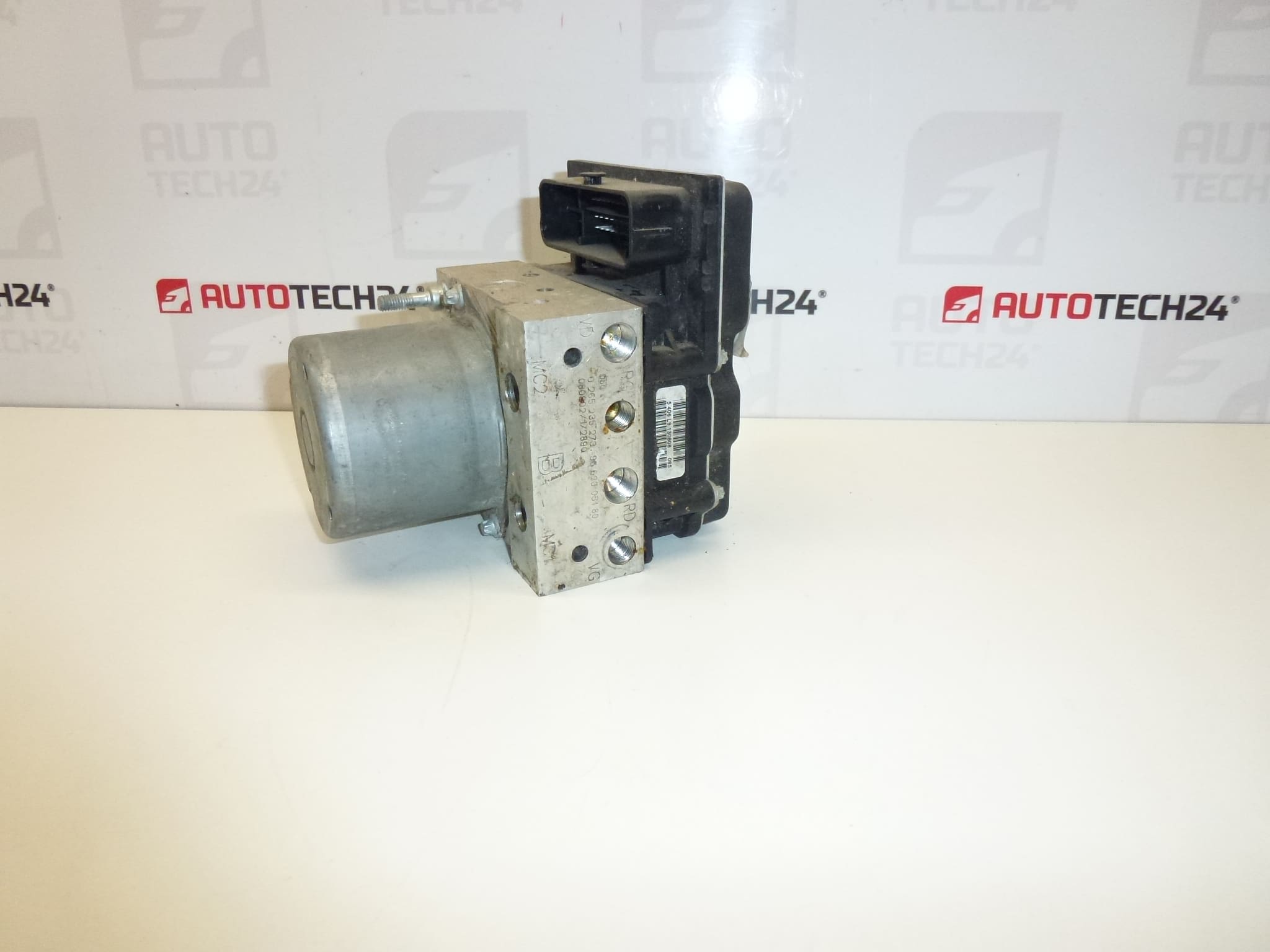
Control module, unit, ABS ESP cube with a piece of wiring
Hydraulic brake control block
It is from a 2008 Peugeot 407 1.6 HDI 9HZ
Part description
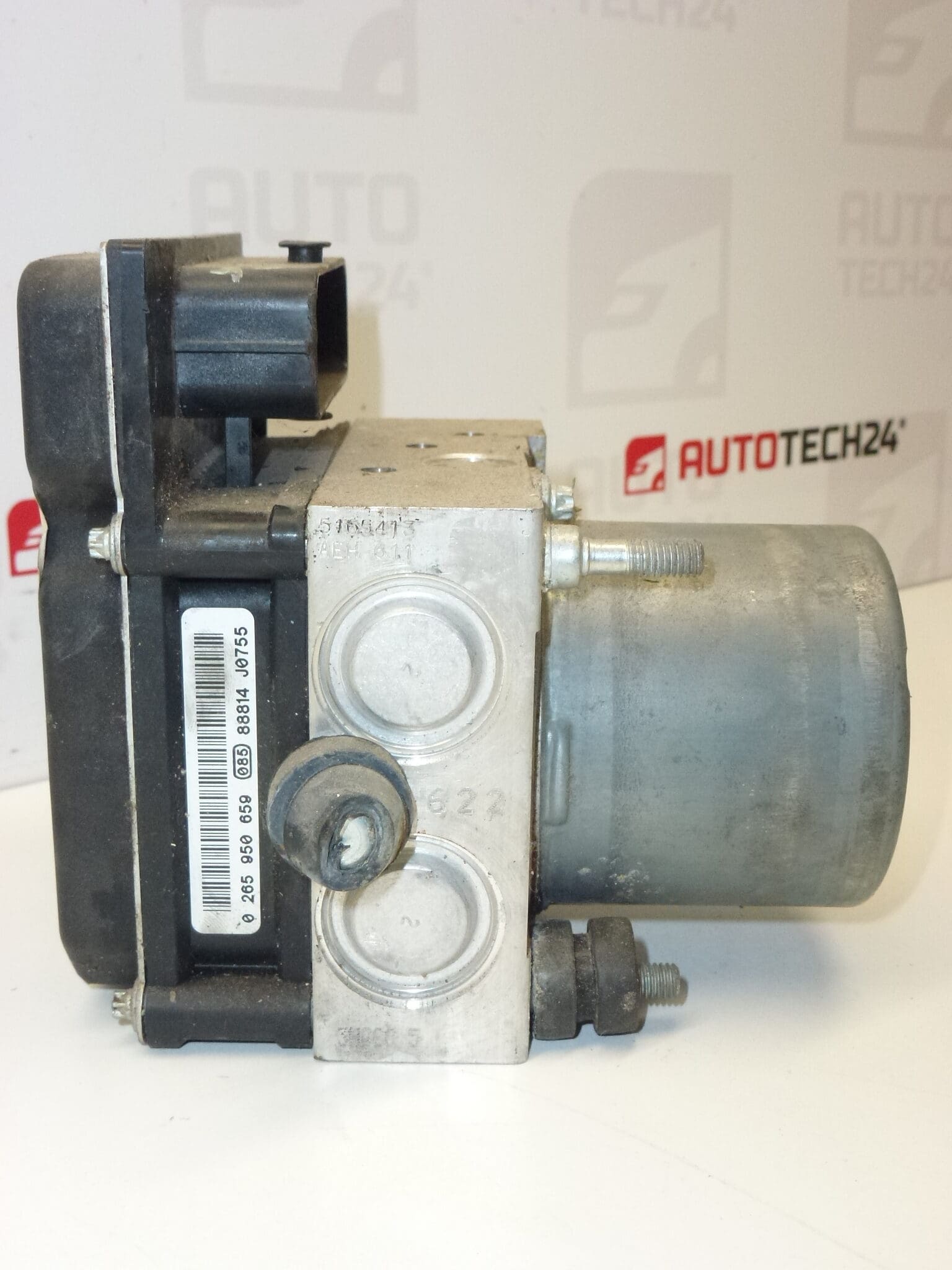
This ABS ESP module (control unit + hydraulic block) for Citroën/Peugeot cars is used to control the braking system including the ABS and stability (ESP) functions. It is a frequently searched part by number, therefore we include complete markings in the offer including Bosch code 0265950659 and PSA number 9665736080.
The part is suitable as a replacement in case of ABS/ESP unit or hydraulic block malfunctions, when the entire module needs to be replaced. For used units, matching markings on the label/removal is key.
Technical information
- Manufacturer: Stellantis (CITROEN / PEUGEOT)
- Model: Peugeot 407 (listed in the documents: from a 2008 Peugeot 407 1.6 HDI 9HZ); other models: not specified
- Other numbers: 0265950659, 41682607380, 4541HE, 4541HF, 541HE, NFP
Product codes
- Product codes: 9665736080, 0265950659, 41682607380, 4541HE, 4541HF, 541HE, NFP
Installation recommendations
Generally/typically for an ABS/ESP module with a hydraulic block, replacement requires careful work with the electrical connectors and brake system. The exact steps may vary depending on the specific model and make of the car.
1) Before assembly
- Compare all part numbers (especially 9665736080 and 0265950659) to the old module.
- Check the fit of the connectors, fit and general condition: cracks, corrosion on pins, damage to threads/holes.
- Make sure the part is clean and dry, with no obvious damage to the hydraulic block body.
2) Necessary tools and materials
- Standard set of hand tools (ratchet/bits, screwdrivers)
- Tools for working on brake lines (typically brake pipe wrenches)
- Contact cleaner and cloth (for connectors)
- Suitable equipment for bleeding the brakes (manual/pressurized according to practice)
- PSA diagnostics (if initialization/calibration needed after replacement – depends on car)
3) Step-by-step assembly procedure
- Secure the vehicle against movement and prepare a clean work area.
- Disconnect the battery (to protect the electronics).
- Access the ABS/ESP module (remove obstructing covers/parts according to the specific design).
- Mark the position of the connectors and brake lines (to avoid confusion during assembly).
- Disconnect electrical connectors carefully (no prying, check connector fuses).
- Release and disconnect the brake lines from the hydraulic block – work cleanly, minimize dirt ingress.
- Dismantle the module fixing and remove the old unit.
- Mount the new used module in the holder/mount and tighten the fixings appropriately (without specifying torques).
- Connect the brake lines in the correct order and check for proper seating.
- Connect the electrical connectors and verify that the fuses click.
- Top up/renew brake fluid as needed and bleed the brake system as usual.
- Connect the battery and perform a function check (or diagnostics depending on the equipment and requirements of the vehicle).
-
4) Post-assembly checks and test drive/function verification
- Check the tightness of all brake line connections and around the module.
- Verify firm operation of the brake pedal and correct operation of the brakes on site.
- Do a careful test drive and verify that there are no unusual braking behaviors and that the system is operating normally.
5) The most common assembly mistakes + how to avoid them
- Swapping lines/connectors → mark and photograph everything before disassembly.
- Damage to connector pins → dislike, use contact cleaner, check fuses.
- Insufficient venting → vent carefully, the pedal must be stable.
- Impurities in the brake system → work cleanly, protect open ends from dust.
Reasons why the part is damaged
- Moisture and corrosion in the area of the connectors and the unit (watering, oxidation of contacts).
- Age and thermal stress of electronics (microcracks, unstable connections).
- Mechanical damage during unprofessional disassembly/assembly (torn threads, cracked body, damaged pins).
- Contamination of the brake system (dirt, improper handling when disconnecting the lines).
- Voltage fluctuations or incorrect disconnection/connection of battery when working on wiring.