Description
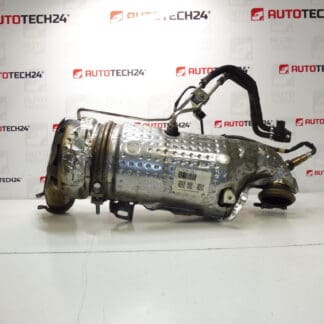
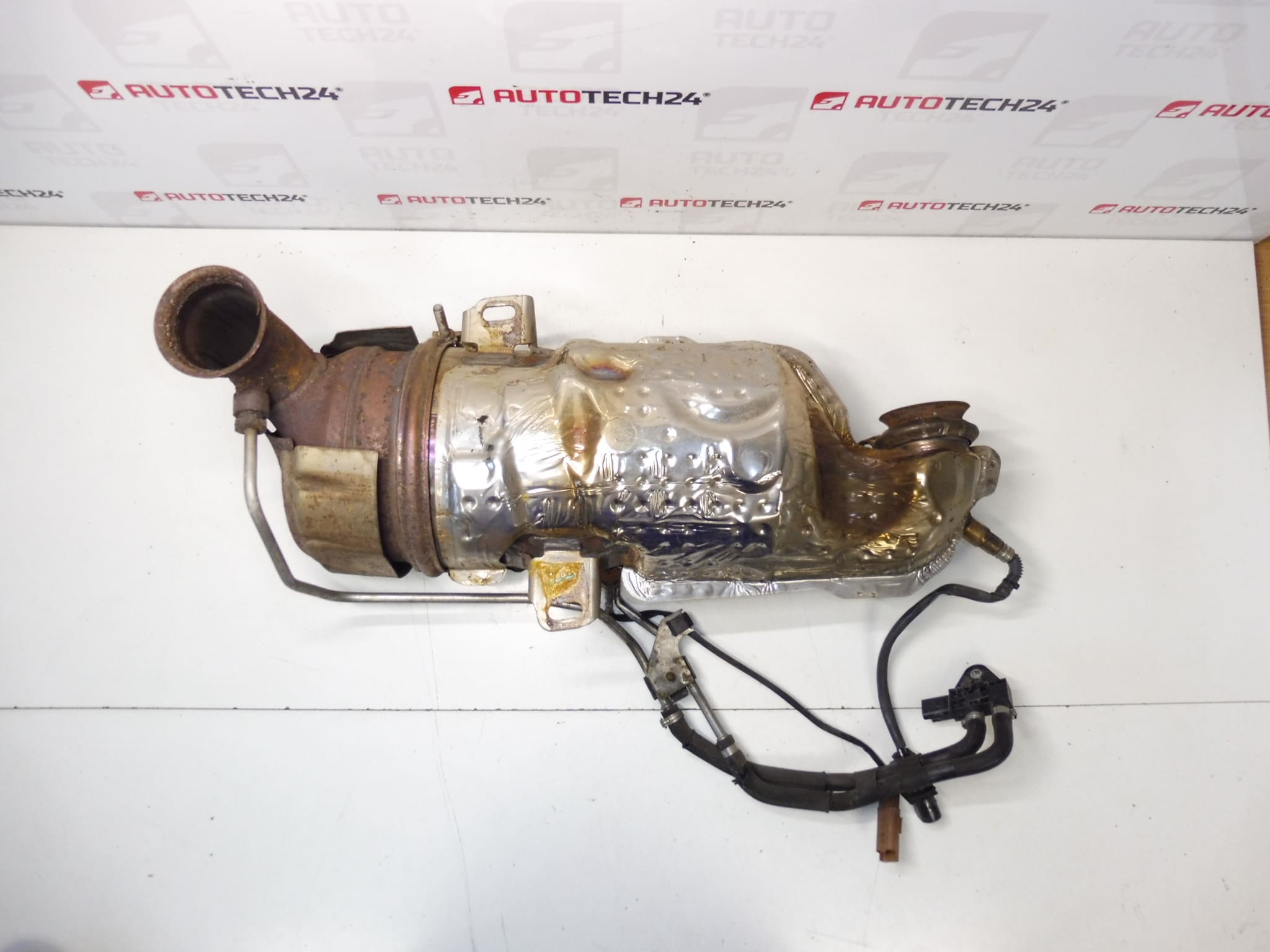
Original complete diesel particulate filter (DPF) 1.6 e-HDI with catalyst for Citroën and Peugeot. Mileage only 136,000 km. In the photos of the outlet it is evident that the DPF functions perfectly; there is no soot.
This complete DPF assembly with integrated catalyst is a direct-fit solution for 1.6 e-HDI 66 kW Diesel engines used across several Citroën and Peugeot models. It is an ideal choice for workshops and experienced DIY mechanics searching by part number (F026N, 9803421780, 9808329680, 9803421880). The unit combines a catalytic converter and particulate filter to reduce soot and NOx emissions while maintaining exhaust flow. Suitable for fleet repairs or individual replacements where a fully assembled, ready-to-install component is required.
Technical Information
- Manufacturer: Stellantis (Citroën / Peugeot)
- Model: 1.6 e-HDI, 66 kW
- Product Codes: F026N
- Other Numbers: 9803421780, 9808329680, 9803421880
Compatible Vehicles
Common applications include (but are not necessarily limited to): Citroën Berlingo B9, Citroën C3 Picasso, Citroën C4 II, Peugeot 308, Peugeot Partner III, Peugeot Partner Tepee. Always confirm fitment against the vehicle engine code and part number.
Function And Service Life
The DPF captures soot particles from diesel exhaust and periodically undergoes regeneration — a high-temperature burn that converts soot to ash. The integrated catalyst reduces harmful gaseous emissions and helps initiate regeneration. Lifetime depends heavily on driving style: vehicles used mostly for urban, short-distance trips tend to clog the DPF faster. Typical service life for DPFs on 1.6 e-HDI engines often falls in the range of 120,000–200,000 km, although individual results vary. This specific unit shows 136,000 km on the odometer and the outlet photos indicate no visible soot.
Installation Recommendations
- Work Should Be Performed On A Cold Exhaust System; Allow Cooling Time Before Starting.
- Raise And Secure The Vehicle Safely; Use Proper Supports And Eye Protection.
- Disconnect The Battery To Avoid Electrical Shorts When Removing Sensors.
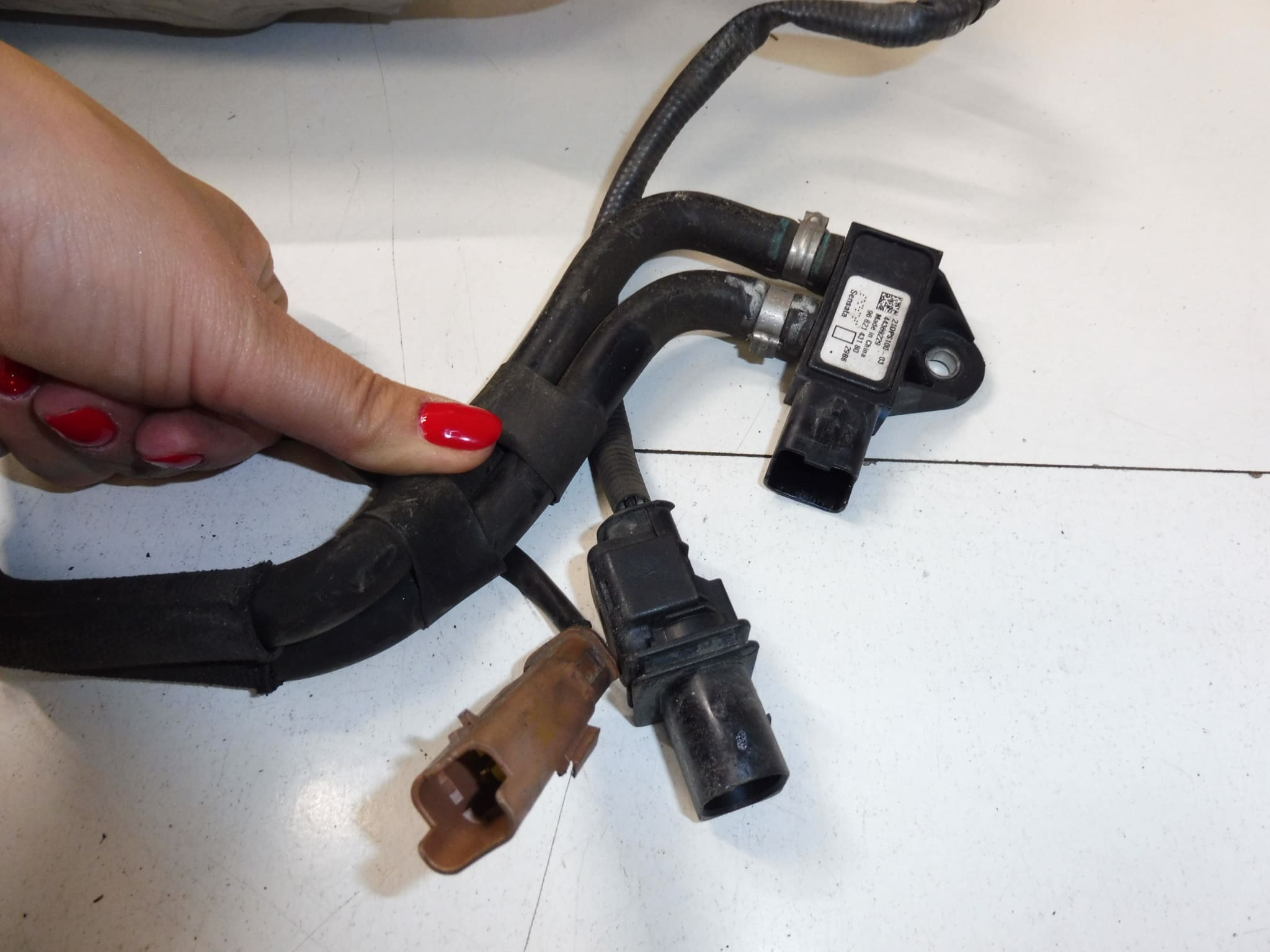
- Carefully Disconnect Exhaust Sensors (Temperature, Differential Pressure, Lambda If Present) And Electrical Connectors Before Removing The Unit.
- Remove Heat Shields And Unbolt Flanges; Replace Exhaust Gaskets And Any Sealing Rings During Reassembly.
- Ensure Correct Alignment Of Flanges To Avoid Exhaust Leaks; Tighten Fasteners To Manufacturer Specifications.
- After Installation, Clear Any Fault Codes And Perform A Forced Regeneration Or DPF Reset Using A Suitable Diagnostic Tool To Confirm Proper Operation.
Most Common Failure Causes
DPF blockage and failure are most often caused by soot and ash accumulation due to insufficient high-temperature driving (short trips), prolonged periods without successful regeneration, oil contamination from turbocharger or worn piston rings, excessive EGR contamination, or sensor failures that prevent proper regeneration management. Thermal shock from rapid cooling of an overheated substrate or physical damage to the ceramic substrate can also lead to failure. Regular maintenance of the EGR and turbo system, prompt repair of oil leaks, and correct regeneration procedures reduce the risk of premature DPF failure.
For professional workshops and experienced home mechanics this DPF assembly offers a time-saving direct replacement with known part numbers for quick searchability and installation.