Description
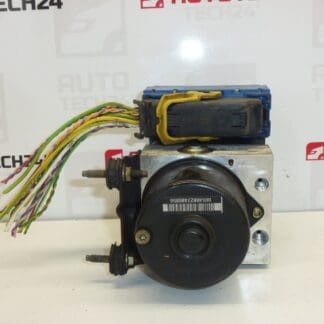
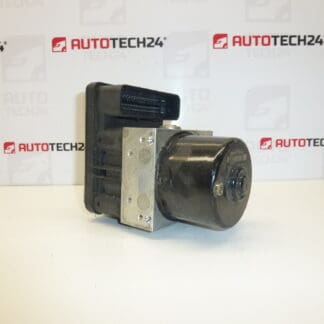
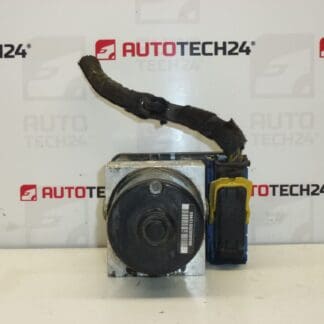
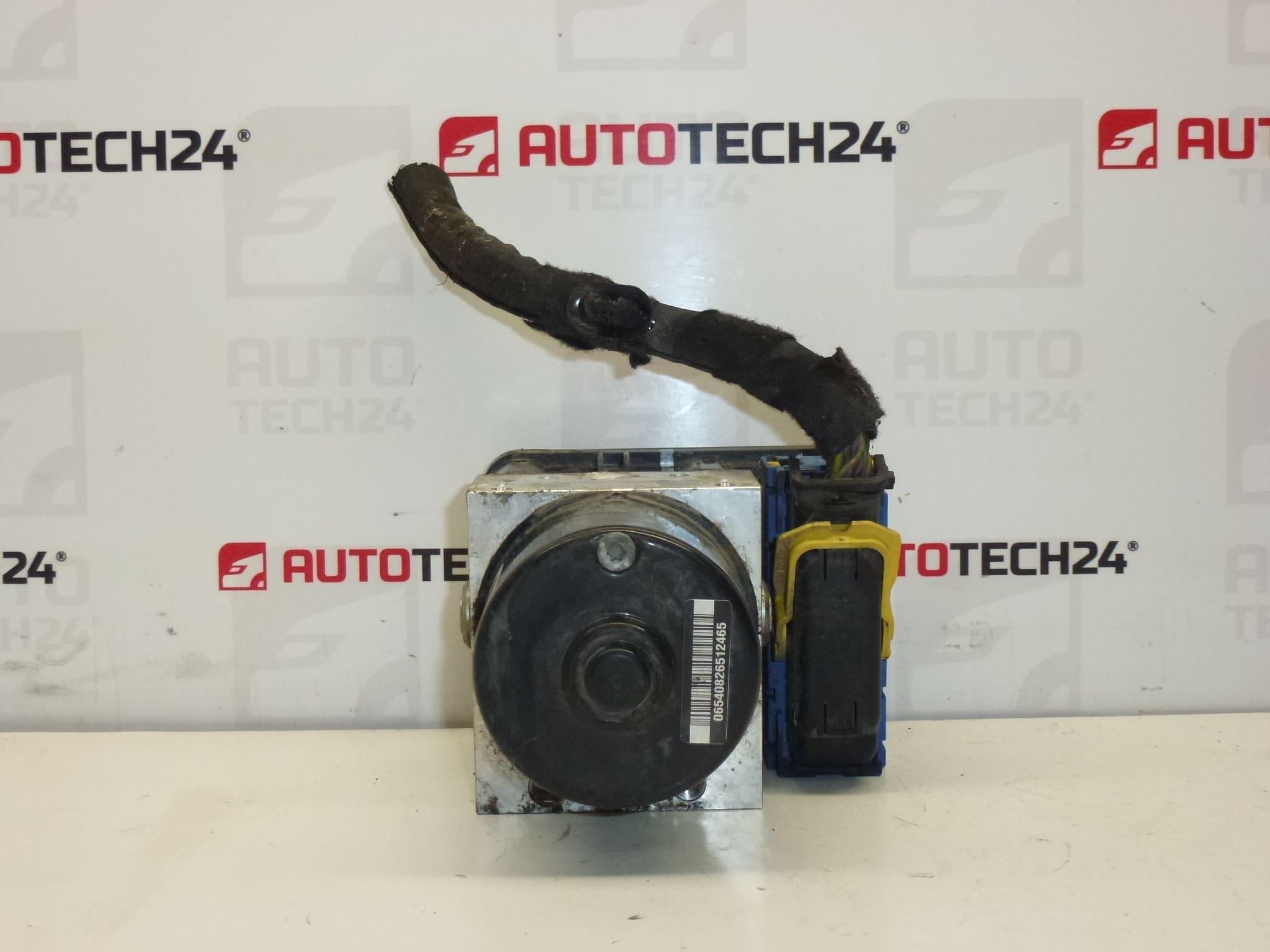
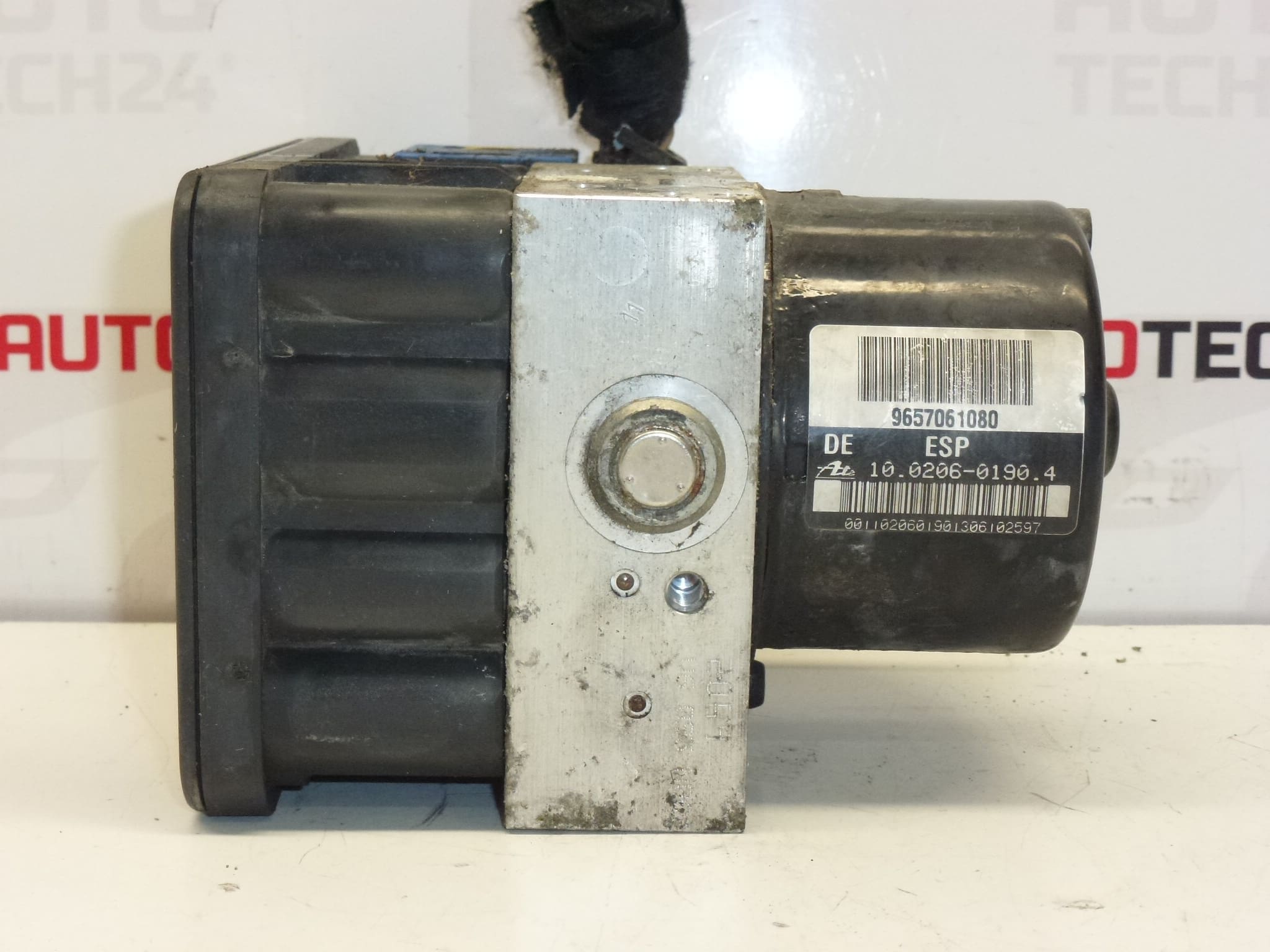
Control Module, Pump, Unit, ABS ESP Block ATE for Citroën C5 from 2005 to 2007. Supplied with a section of wiring.
This complete ABS/ESP assembly (pump plus control module) is intended as a direct-fit replacement for Citroën C5 II vehicles produced between 2005 and 2007. The unit restores anti-lock braking and electronic stability functions when the original pump or ECU has failed, and it is supplied with a piece of the original wiring harness to simplify installation. Ideal for professional workshops and experienced DIY mechanics who search by part numbers or OEM codes.
The module is suitable where the original symptoms include ABS warning lamp illumination, loss of ABS or ESP intervention, unusual brake pedal behavior or diagnostic trouble codes referencing pump or valve block faults. Replacing the assembly often returns full braking system functionality and removes related fault codes when the underlying hydraulic/electrical fault is located in the ABS/ESP block.
Technical Information
- Manufacturer: ATE
- Model: Citroën C5 II (2005–2007)
- Product Codes: 10.0960-1140.3; 10.0206-0190.4
- Other Numbers: 9657061080; 4542F0; 4542F1; 4541G1; 4541G2; NFP
Recommended Installation
- Safety First: Park on a level surface, chock wheels and disconnect the negative battery terminal to avoid electrical damage.
- Diagnostics: Read and record ABS/ESP fault codes before removal to confirm the ABS unit is the source of the problem.
- Preparation: Protect painted surfaces from brake fluid. Have a container ready to catch fluid and keep replacement brake fluid to hand for topping up and bleeding.
- Removal: Access the ABS pump assembly in the engine bay, unplug electrical connectors and carefully loosen hydraulic line fittings. Remove mounting fasteners and extract the unit with attached section of wiring.
- Fitment: Install the replacement unit, connect hydraulic lines and electrical plugs. Use manufacturer torque values where available for fasteners and fittings.
- Commissioning: Perform a full brake bleed (preferably with a vacuum or pressure bleeder) and use a diagnostic tool to initialise the ABS/ESP system and clear stored fault codes.
- Verification: Confirm ABS light is extinguished and carry out a controlled road test to verify ABS/ESP operation.
Common Failure Causes
- Corrosion And Moisture Ingress: Exposure to road salt and water can corrode hydraulic channels and electrical connectors.
- Electrical Faults: Damaged wiring, poor connector contacts or internal electronic failures in the control module can disable the unit.
- Pump Or Motor Wear: Pump motor failure or seized valves within the hydraulic block lead to loss of ABS function.
- Contaminated Brake Fluid: Dirt or moisture in the brake circuit accelerates wear and can clog valves inside the ABS block.
- Impact Or Underbody Damage: Physical damage from road debris can compromise the assembly.
Signs that point to ABS/ESP block failure include an illuminated ABS or ESP warning light, a pulsating or soft brake pedal under normal braking, or stored fault codes referring to pump, motor or valve block faults. Lifespan depends on vehicle use and environment; units exposed to heavy salt or poor maintenance can fail earlier than those in mild conditions.
This ATE ABS/ESP pump and control unit is supplied with wiring to simplify replacement and is commonly searched by the product codes listed above. It represents a direct solution for restoring ABS/ESP performance on affected Citroën C5 II vehicles and is suitable for installation by experienced DIYers and professional technicians with the proper tools.