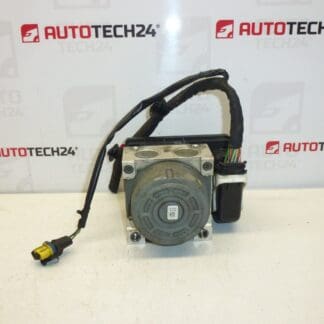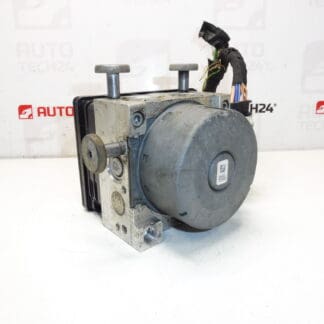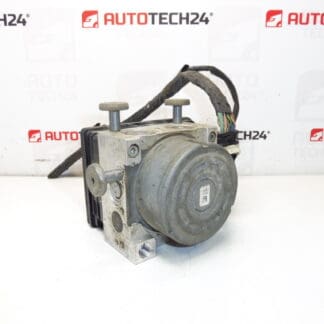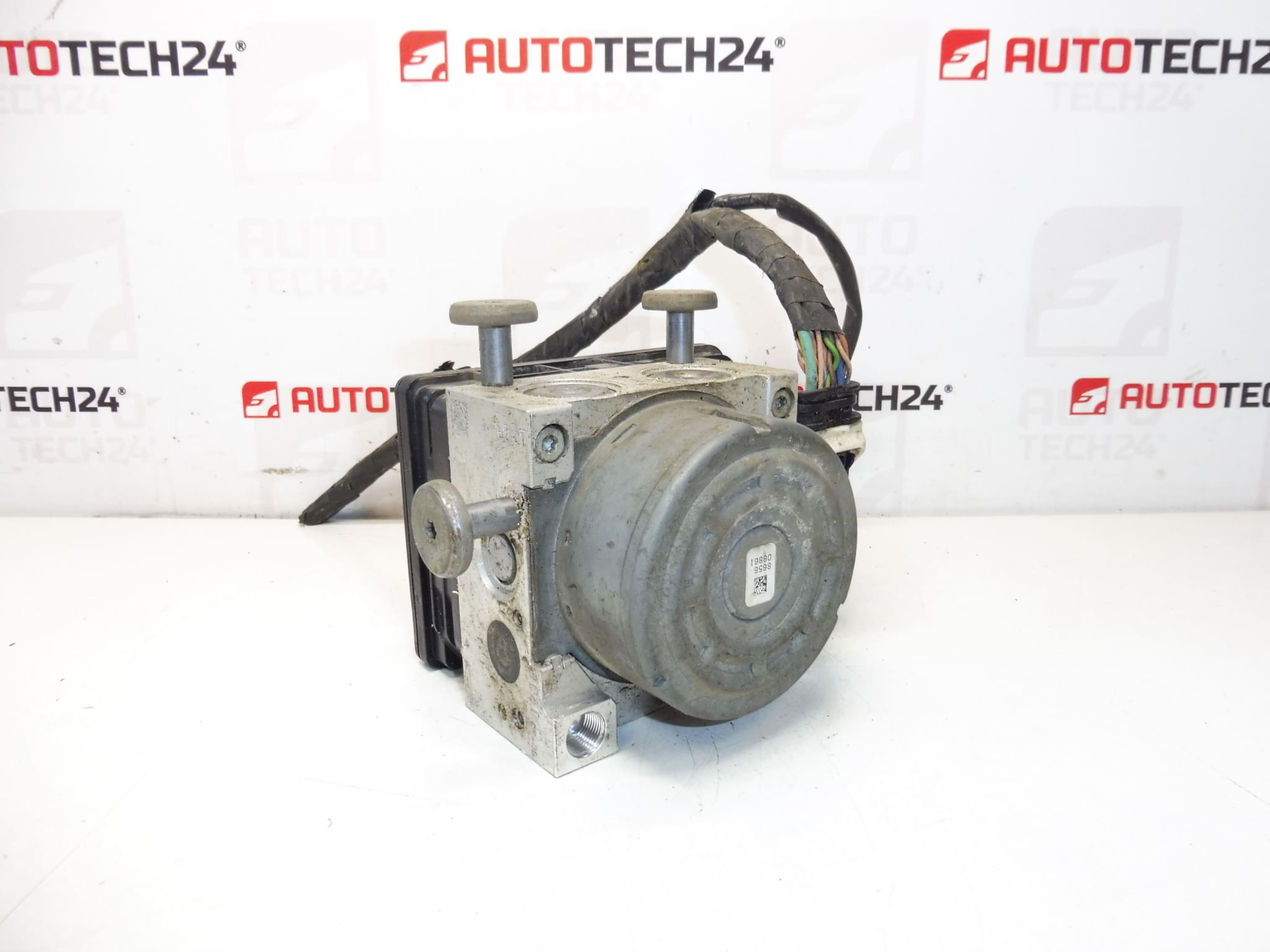
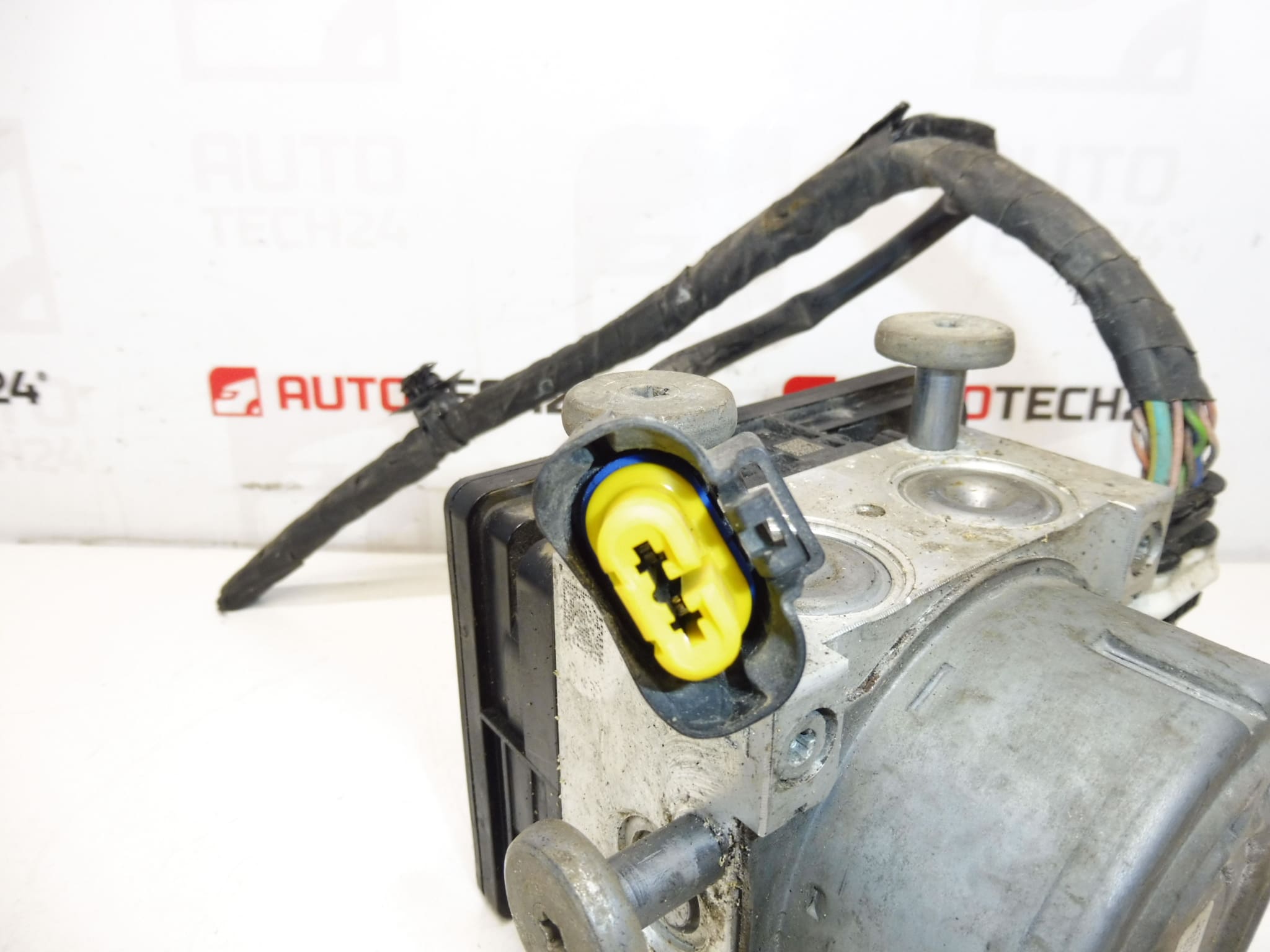
Pump ABS ESP ATE Citroën C5 II 10.0960-1140.3 9657061080

42.00

Stellantis CITROEN PEUGEOT
10.0960-1140.3 9657061080 10.0206-0190.4
4542F0 4542F1 4541G1 4541G2

4 in stock

Description

Control module, pump, unit, cube ABS ESP ATE CITROEN C5 from 2005 to 2007
With a piece of wiring

Part description

This is an ATE brand ABS/ESP module (hydraulic block with electronics), intended for Citroën C5 II cars. This part provides the ABS and stability control (ESP) function by controlling the pressure in the brake system and communicating with the other systems of the car. A piece of wiring is included which can make it easier to connect or repair a damaged connector/harness.

When looking for the right part, comparing the numbers from the body of the unit and the label is essential – for ABS modules, the matching of codes is used as the main guide for the correct exchange.

Technical information

  • Manufacturer: ATE
  • Model: Citroën C5 II (from 2005 to 2007)
  • Other numbers: 9657061080, 10.0206-0190.4, 4542F0, 4542F1, 4541G1, 4541G2

Product codes

  • Product codes: 10.0960-1140.3, 9657061080

Installation recommendations

Generally/typically for ABS/ESP module replacement, the exact procedure may vary depending on the specific design of the brake system and the car’s equipment. Below is a practical, safe framework to follow.

1) Before assembly (checks of the used part, what to compare with the old part)

  • Check that all available part numbers (eg 10.0960-1140.3, 9657061080 and other listed codes) match the old module.
  • Compare the connectors and their mechanical condition (locks, pins, plastic damage).
  • Inspect the hydraulic part: the threads and bearing surfaces of the brake lines must not be torn or cracked.
  • Check the condition of the supplied piece of cabling (intact insulation, no oxidation of wires).

2) Necessary tools and materials (in general, without specific extra parts)

  • Basic set of keys and sockets
  • Suitable brake pipe wrenches (to minimize damage to fittings)
  • Cleaner for electrical contacts, clean cloths
  • Tools for securing and protecting surrounding parts (covering film/towels)
  • Diagnostics to verify system function after assembly (generally recommended)

3) Step-by-step assembly procedure

  1. Secure the vehicle against movement and prepare a clean working environment.
  2. Disconnect the battery (for electronic modules this is important to protect both the unit and the vehicle).
  3. Document the connection (photo of connectors, wiring and mounting) so that there is no confusion during assembly.
  4. Carefully disconnect the module’s electrical connector(s); don’t like by force, release the fuses first.
  5. If disconnecting brake lines, proceed cleanly and systematically (mark them so they don’t get mixed up).
  6. Dismantle the module mounting and remove the old part.
  7. Clean the surrounding area and seating/fixing points (dirt often causes later leaks or poor seating).
  8. Put on the new (used) module, seat it correctly in the holder and fasten it.
  9. Reconnect the brake lines (if they were disconnected) and make sure the fittings are seated correctly without crossing the threads.
  10. Connect the electrical connector and check that the fuses are firmly engaged; possibly use the supplied piece of cabling as needed to repair the bundle.
  11. Connect the battery.
  12. Do a basic leak check and electrical connections before first start-up.
    • 4) Post-assembly checks and test drive/function verification

      • Check that there are no visible fluid leaks at the connection points of the lines.
      • Verify that the connectors hold and that the wiring is not stretched or in contact with sharp edges.
      • Verify the ABS/ESP function with regular diagnostics (recommended) and then a careful test drive in safe conditions.

      5) The most common assembly mistakes + how to avoid them

      • Swapping or swapping lines → mark everything in advance and take pictures, proceed systematically.
      • Damage to the connector/pins by rough handling → release the fuses in the correct direction, do not pull the connector by the cables.
      • Removal of screw threads → always start by hand, only then tighten with a tool.
      • Neglecting the leak check → after assembly, carefully check everything visually, especially around the screw connections.

      Reasons why the part is damaged

      • Moisture and corrosion in the area of connectors and electronics (oxidation of pins, bad contacts).
      • Aging of electronics and thermal stress (microcracks, unstable functions).
      • Damage to wiring (broken wires, loose pins, bad harness repairs).
      • Mechanical stress (vibration, improper attachment after previous repair).
      • Unprofessional intervention during disassembly/assembly (torn threads, damaged screw connections or connector).

Additional information

Weight 2.5 kg