Description
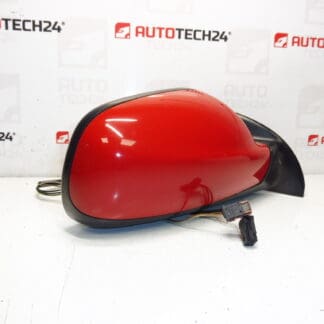
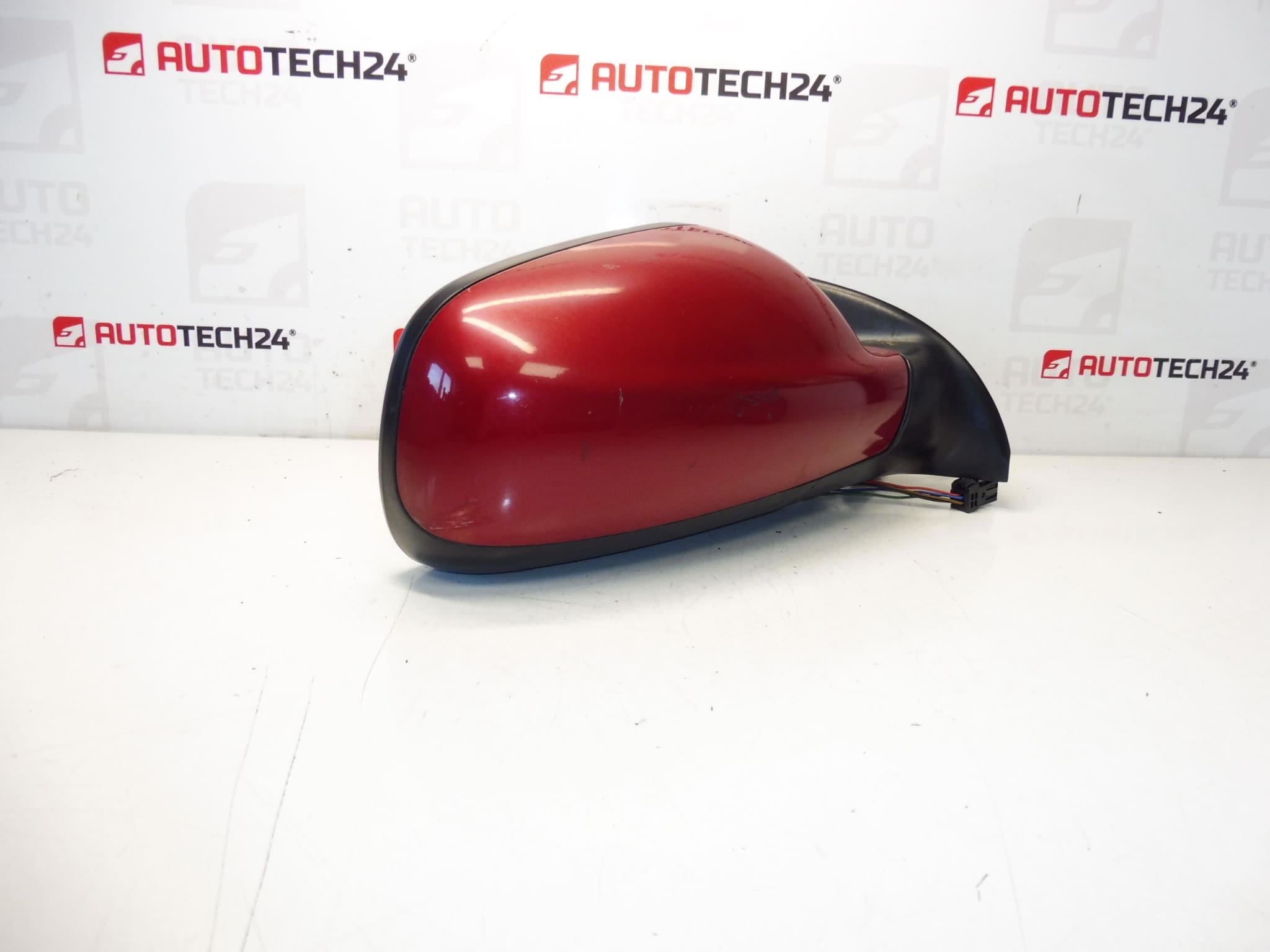
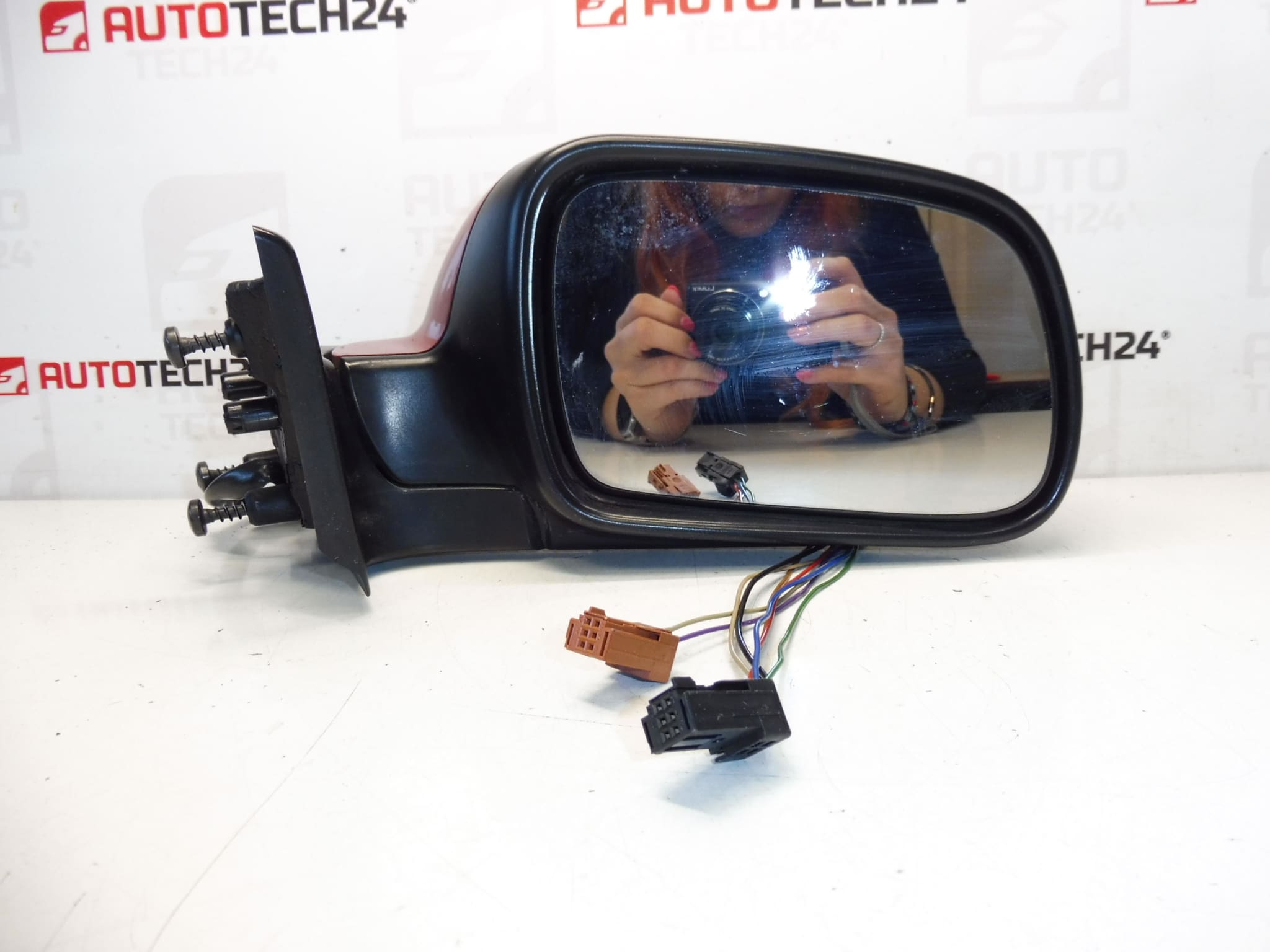
Left Driver-Side Exterior Mirror for Peugeot 307. Electrically adjustable and heated, electrically folding to the vehicle. Color LKR – Paint Red Babylone. 7-pin (5+2).
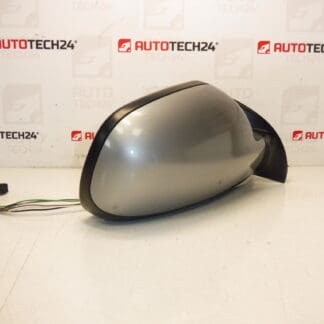
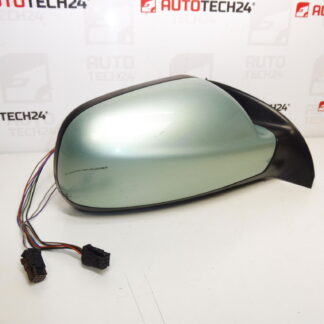
This left (driver-side) exterior mirror is a direct-fit replacement for Peugeot 307 vehicles and combines electric adjustment, heating and power folding in one robust unit. Designed with professional mechanics and DIY enthusiasts in mind, the mirror carries product code 8149VV and is available in various paint finishes including LKR Red Babylone. Typical use cases include replacing a damaged housing, restoring electric functions or upgrading a non-heated mirror to the heated/electric folding variant. Clear, precise fitment and OE-style connectors make installation straightforward for experienced technicians.
Technical Information
- Manufacturer: Stellantis (Peugeot / Citroën)
- Model: Peugeot 307
- Product Codes: 8149VV
- Other Numbers: Color Code LKR (Paint Red Babylone); Connector: 7-pin (5+2)
Compatibility
Fits Peugeot 307 First Generation (307 I), typically built between 2001 and 2008. Left / Driver Side unit. Verify visual match to your existing mirror (mounting points and connector pin count) before installation.
Functions
- Electric mirror adjustment (horizontal/vertical)
- Integrated heater to de-ice/demist the mirror glass
- Electric folding mechanism for convenience and protection when parking
Replacement Guide
Basic steps for replacement (for experienced mechanics or competent DIYers):
- Prepare Tools: Torx/Screwdrivers, trim removal tools, ratchet set, panel clips if needed.
- Safety: Disconnect the negative battery terminal to prevent short circuits and protect vehicle electronics.
- Remove Interior Trim: Carefully remove the triangular trim panel on the door covering the mirror mounts (use trim tools to avoid damage).
- Disconnect Wiring: Unplug the mirror connector (7-pin 5+2) and, if present, detach any retaining clips.
- Remove Fasteners: Unscrew the mounting bolts/nuts securing the mirror to the door and support the mirror while removing.
- Install New Mirror: Position new mirror, secure mounting bolts to manufacturer torque settings, connect the wiring harness and check connector seating.
- Test Functions: Reconnect battery and test adjustment, heating and folding functions before reassembling trim.
- Final Assembly: Reinstall interior trim and ensure all clips and screws are secured.
Estimated Time: Approximately 30–60 minutes depending on experience and vehicle trim. Always follow the vehicle manufacturer’s service procedures where available.
Installation Recommendations
- Always Disconnect Battery Before Starting To Avoid Electrical Damage.
- Inspect Wiring Harness And Door Grommet For Wear Or Corrosion; Replace If Damaged.
- Use Gentle Trim Removal Tools To Prevent Breaking Interior Clips.
- After Installation, Cycle The Mirror Through All Functions To Confirm Proper Operation.
Why This Part Most Often Fails
Common failure causes for exterior mirrors include:
- Impact Damage: Collisions or snags when parking frequently break the housing or mechanical parts.
- Water Ingress And Corrosion: Moisture entering the connector or motor assembly leads to poor contacts and motor failure.
- Wear Of Folding Motor/Actuator: Repeated folding cycles over years cause wear of small gears or motor windings.
- Wiring Fatigue: Constant flexing at the door hinge can damage wires inside the conduit, causing intermittent or permanent loss of function.
Notes
Product Code 8149VV corresponds to the electrically adjustable, heated and electrically folding left mirror in the LKR Red Babylone paint option. Connector configuration is 7-pin (5+2); ensure your vehicle harness matches this pin count for full functionality.