Description
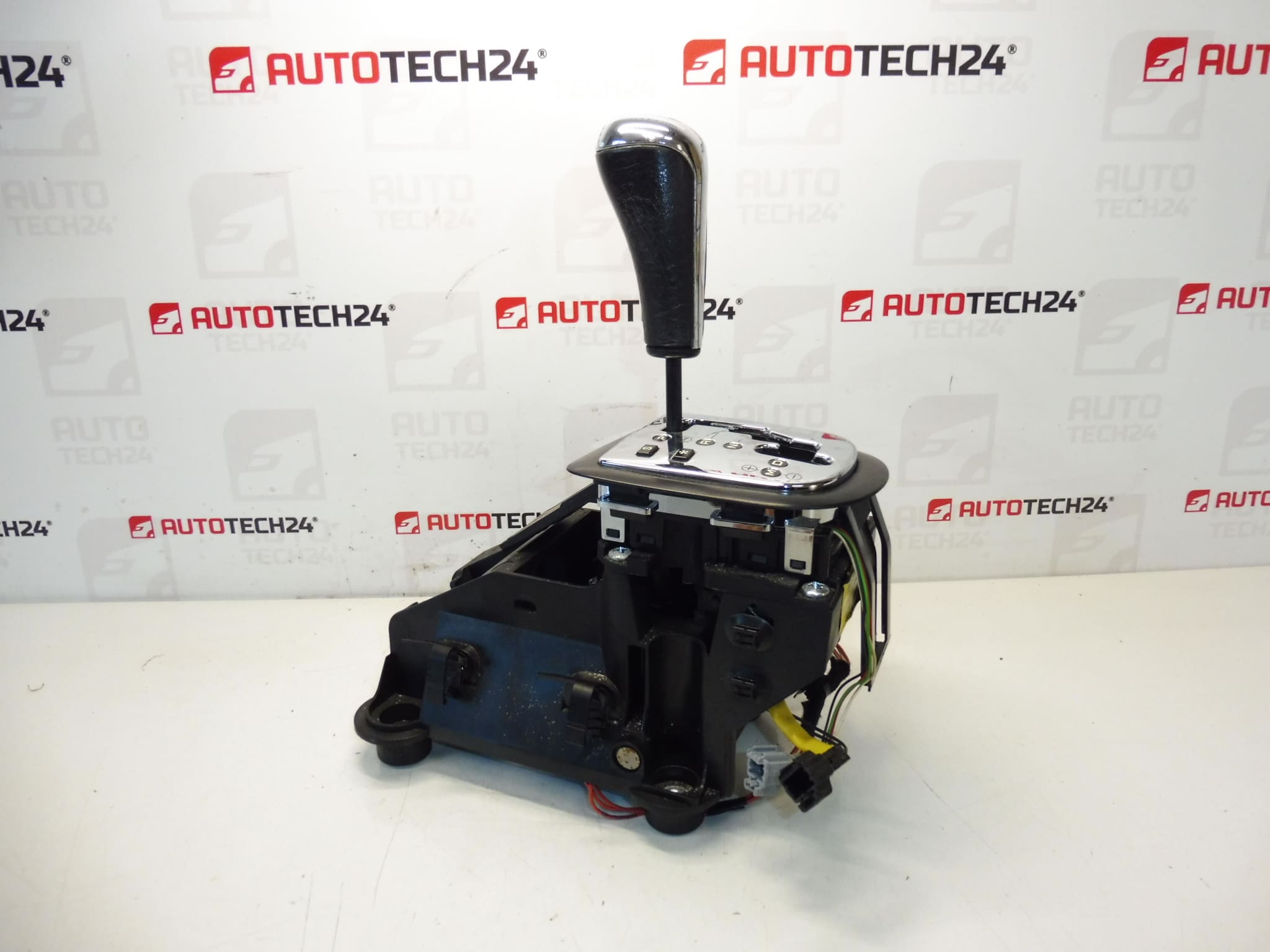
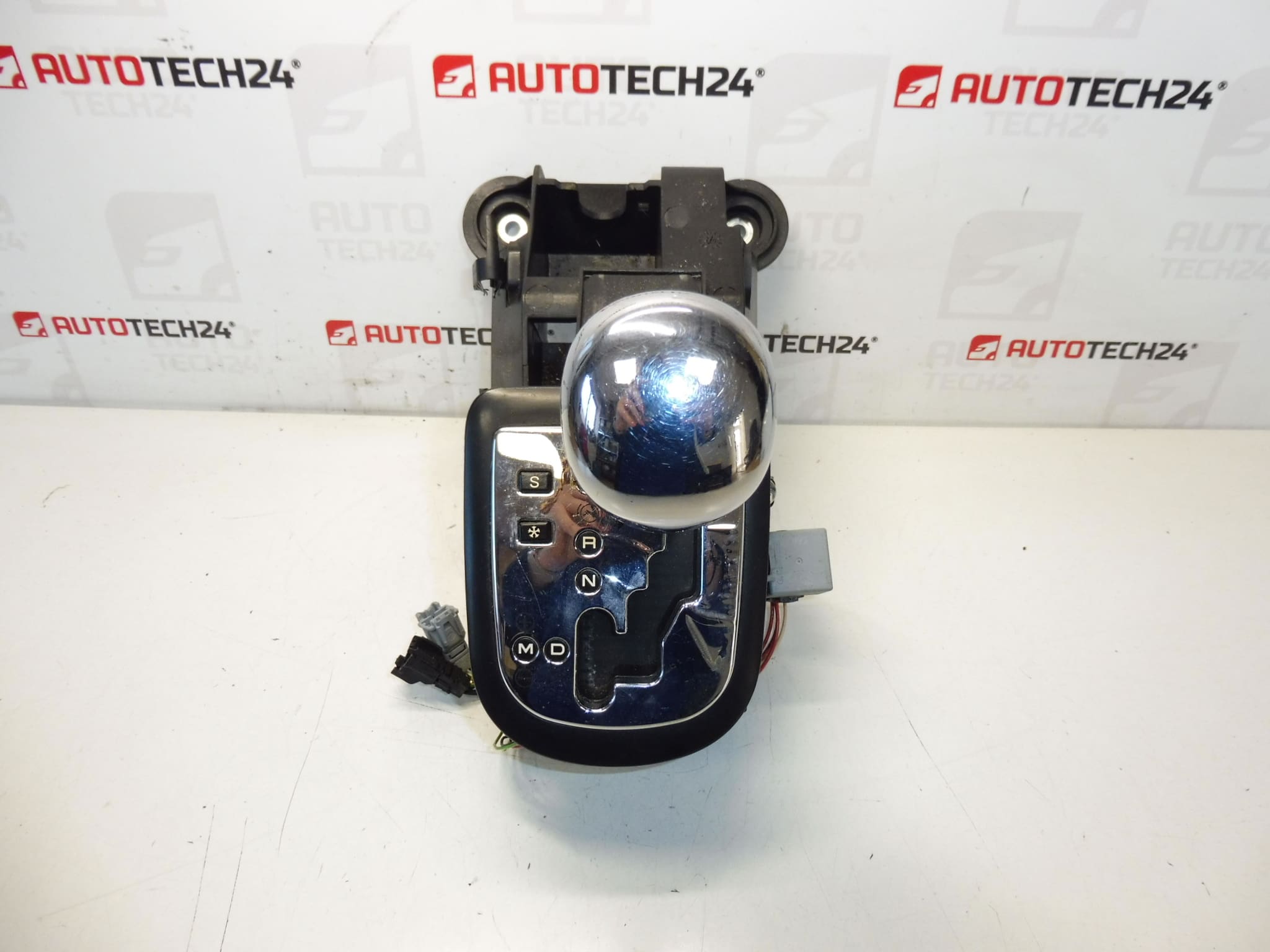
Shift gate for Peugeot 307 and Citroën C4. The chrome part 2461C0 is slightly damaged. For automatic transmission. Tested and fully functional.
Overview
This genuine-used gear selector gate (shift gate / gear shift bezel) is suitable for automatic-transmission versions of the Peugeot 307 and Citroën C4. It is a direct-fit interior component that guides the gear lever movement, secures the gear selector boot and provides the visual finish around the shifter. The part is commonly searched by its product numbers, so listing the correct codes below helps mechanics and DIY enthusiasts find the right item quickly.
Technical Information
- Manufacturer: Stellantis (Citroën / Peugeot)
- Model: Peugeot 307, Citroën C4
- Product Codes: 9680843280, 2400EJ
- Additional Numbers: 2461C0, NFP
Fitment And Application
Fits automatic-transmission versions of Peugeot 307 and Citroën C4 where the original part numbers match. Often referenced in parts searches by the listed codes (9680843280 / 2400EJ). Ideal for workshop replacements and DIY interior restorations where the selector gate is worn, cracked or cosmetically damaged.
How The Part Works And Typical Failure Modes
The shift gate provides a stable guide and bezel for the gear lever assembly and integrates with the centre console trim. It controls the visible gate pattern and helps retain the gear lever boot. Common reasons for replacement include plastic fatigue, broken or worn retaining clips, cracks from heavy or improper use, and cosmetic damage to the chrome trim (as noted for this unit). Spills, UV exposure and forceful lever movement accelerate wear.
Replacement Procedure (General Guidance)
- Park Vehicle Securely And Engage Handbrake.
- Move Gear Lever To A Position That Allows Removal Of The Trim (usually Neutral/Park depending on model).
- Carefully Remove Centre Console Trim Surrounding The Gear Lever. Start With Trim Clips Using Plastic Pry Tools To Avoid Damage.
- Unscrew Fixing Screws Securing The Shift Gate And Detach Any Connected Clips Or Guides.
- Inspect Shift Cable End, Bushings And Any Electrical Connectors (Range Sensor/Illumination) While Unit Is Removed.
- Install New Shift Gate, Refit Screws And Trim, Then Test Smooth Movement Through All Gears. Verify Proper Engagement And Park/Neutral Lock Function.
Note: Procedures vary slightly by production year and interior trim option. Use model-specific workshop manual for torque values and detailed disassembly steps.
Installation Recommendations
- Use Trim Removal Tools To Avoid Damaging Console Surfaces.
- Check And Replace Any Worn Clips Or Bushings During Installation To Prevent Rattles And Misalignment.
- Ensure The Gear Lever Moves Smoothly Through All Positions Before Final Reassembly.
- Inspect Illuminated Elements Or Sensors Integrated In The Gate And Replace If Faulty.
- Work Methodically And Keep Fasteners Organized For Reassembly.
Why This Part Most Commonly Fails
Failures are typically mechanical or cosmetic: snapped mounting tabs and cracked plastic from repeated forceful shifting, wear of internal guides and clips, and damage to chrome trim from impacts or misuse. Interior liquids and long-term sun exposure also degrade plastic and finishes, increasing the likelihood of replacement.
Final Notes For Professionals And DIYers
This item is an economical way to restore proper function and appearance to the gear shift area of Peugeot 307 and Citroën C4 automatic models. Check part numbers carefully before ordering, and inspect related components (shift cable, bushings, and console trim) while replacing the gate to avoid repeat visits.