Description
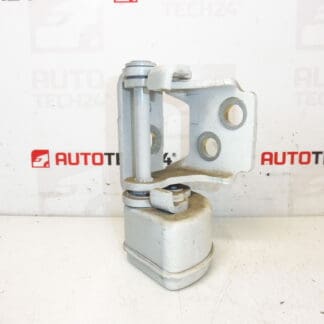
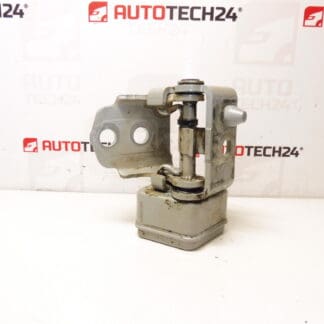
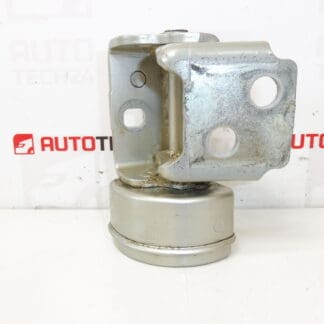
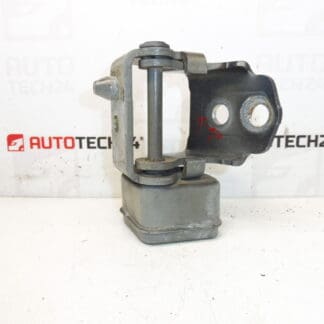
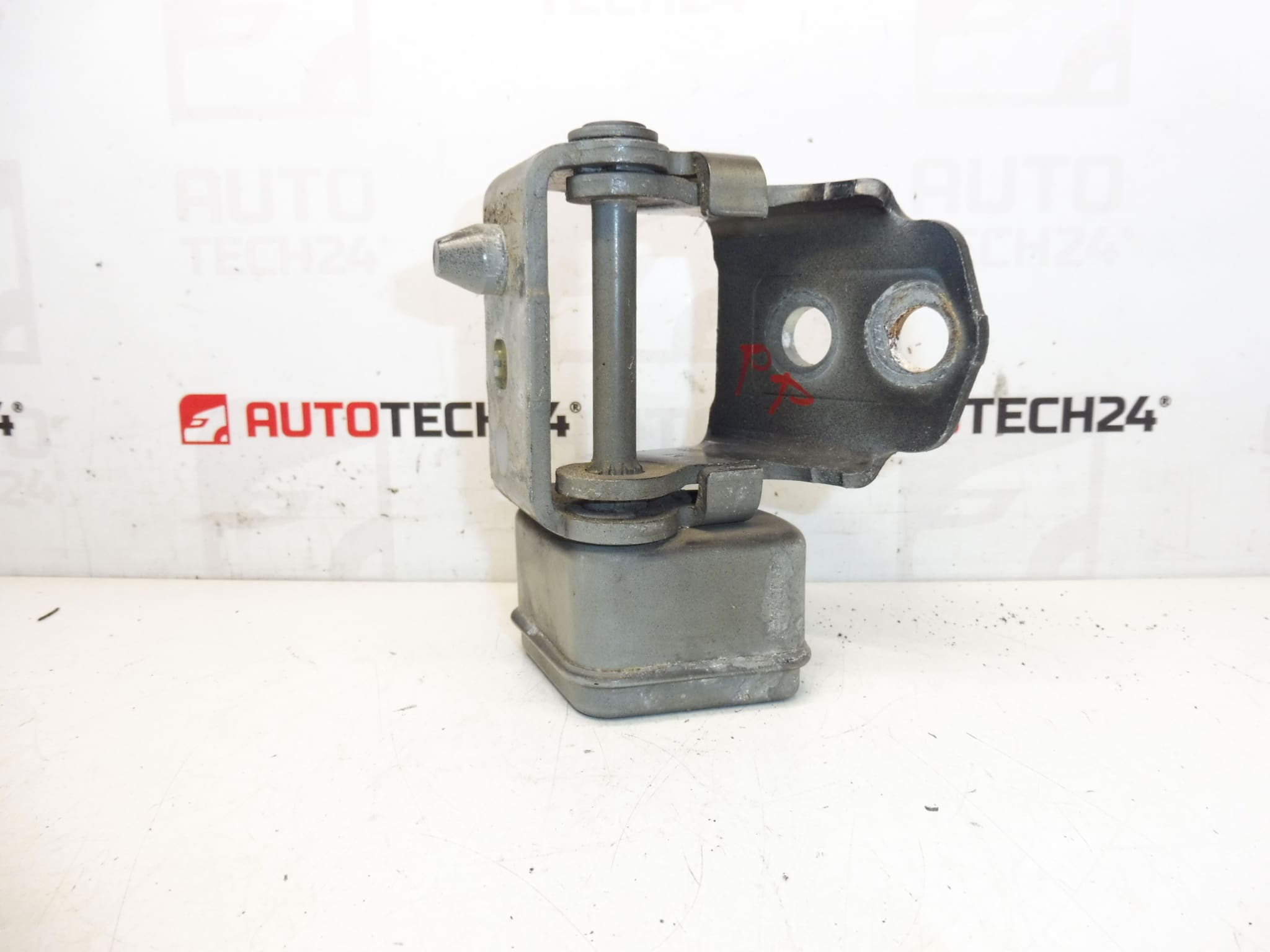
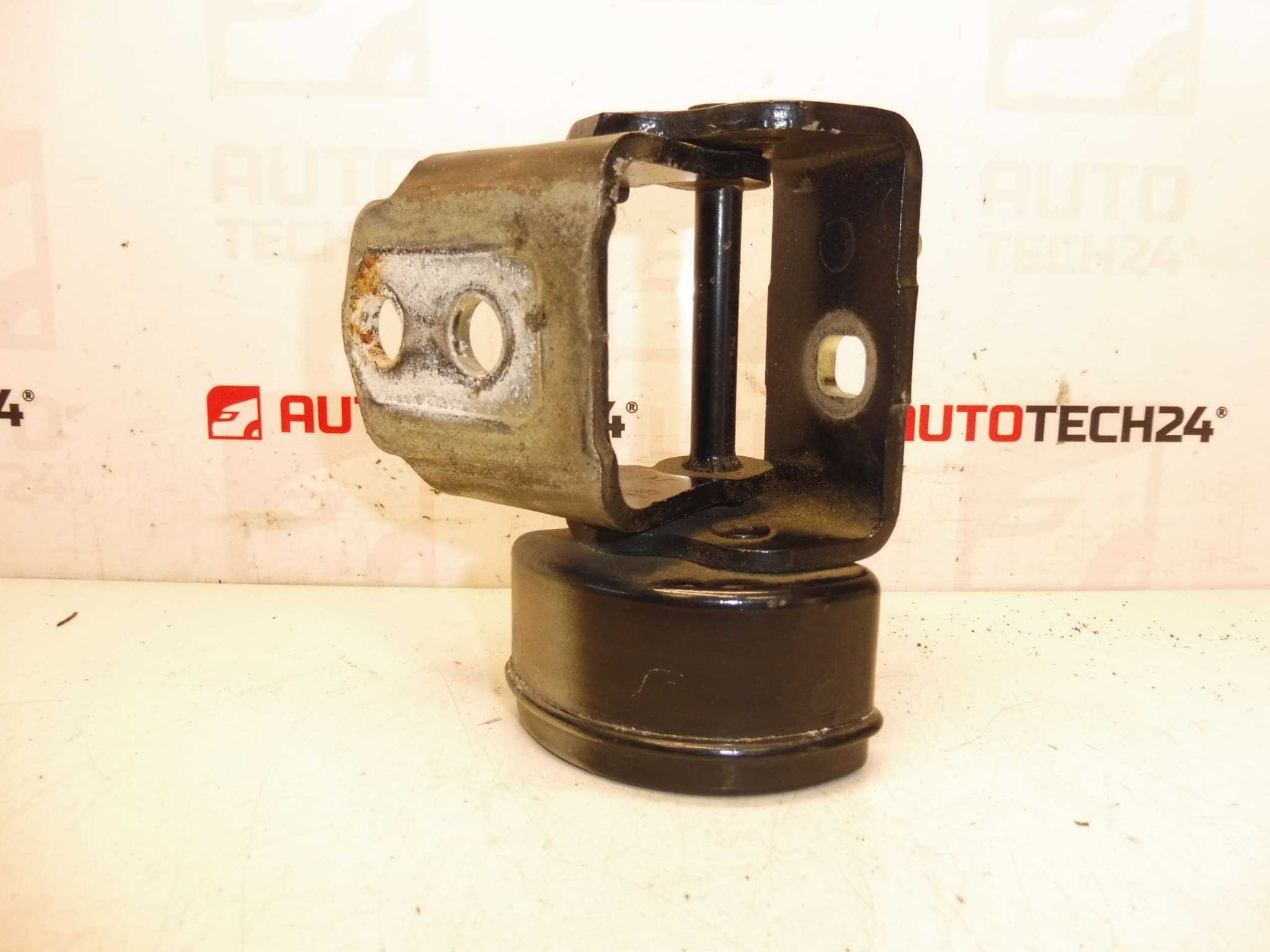
Limiter, right front door hinge for PEUGEOT 207 cars
Color EXL – BLACK OBSIDIAN LACQUER
Front passenger door
Part description
This used car part is intended as a right front door stop / hinge for a Peugeot 207. It is a part of the bodywork that helps to guide the movement of the door when opening and closing and limits its operation in extreme positions. Thanks to the marking 9035T4, the part is easy to find when looking for a spare part according to the original number.
The part is in EXL – black obsidian lacquer and is intended for the front passenger door. It is especially important for car mechanics and DIYers to compare the shape, fit and marking of the part with the existing piece before assembly.
Technical information
- Manufacturer: Stellantis Citroën Peugeot
- Model: Peugeot 207
- Other numbers: EXLD, EXL
Product codes
- Product codes: 9035T4, EXLD
- Models: Peugeot 207
Installation recommendations
Generally/typically for replacing a door stop or hinge, the exact procedure may vary depending on the specific car design and access to the attachment points. Always compare the used part with the disassembled part before assembly.
1) Before assembly
- Check that the side of the part matches – in this case the right front door.
- Compare the shape, arm length, mounting and mounting holes with the old part.
- Check whether the part is mechanically bent, excessively worn or with play in the hinged parts.
- Check the condition of the contact surfaces and whether the surface is damaged in the attachment points.
2) Necessary tools and materials
- Regular gola set and manual keys
- Screwdrivers or a plastic pry bar to remove the covers if needed
- Degreaser and rag cleaner
- Preparation for temporarily supporting or securing doors
- Protective gloves
3) Step-by-step assembly procedure
- Park the car on level ground and secure it against movement.
- Open the door to a safe position and secure it against spontaneous movement to avoid damage to the bodywork or injury during work.
- If access requires the removal of covers or trim, remove them carefully to avoid damaging the handles.
- Locate the attachment points of the original stop/hinge and check their condition.
- Gradually loosen the fastening of the old part, while still keeping an eye on the stability of the door.
- After disassembly, clean the mating surfaces and check that they are not cracked, deformed or excessively worn.
- Compare the old and new part side by side – especially orientation, hole spacing and design.
- Place the used part in place and first clamp it lightly to adjust its position.
- After seating, gradually tighten the fastening so that the part sits without tension and in the correct position.
- Carefully open and close the door several times and observe whether the movement is smooth and without unwanted sounds.
- If all is well, refit any removed cover or internal parts.
- Perform a final check of the door fitment and function throughout the range of normal movement.
-
4) Post-assembly checks and functional test verification
- Check that the door opens and closes smoothly and without rubbing.
- Verify that the stop correctly restricts the movement of the door and that there is no excessive play.
- Listen for knocking, cracking or metal bangs as the door moves.
- Check that the door fits correctly after assembly and that there is no tension in the attachment.
5) The most common assembly mistakes + how to avoid them
- Swapping right and left sides – always compare the orientation of the part before assembly.
- Assembly without securing the door – damage to the attachment or paintwork may occur.
- Overview of the deformation of the used part – check the flatness and condition of the hinged parts before assembly.
- Uncleaned contact surfaces – dirt can cause poor contact and subsequent tension.
- Incorrect seating before tightening – first seat the part, check the operation, and only then finally fix it.
Reasons why the part is damaged
- Frequent and intensive use of the door in normal operation
- Excessive strain when suddenly opening or slamming the door
- Repeated exposure of the wind to the open door
- Corrosion, fouling or long-term wear of articulated parts
- Damage after a minor accident or improper handling of the door
- Freedom in the attachment, which over time is transferred to the stop or hinge itself