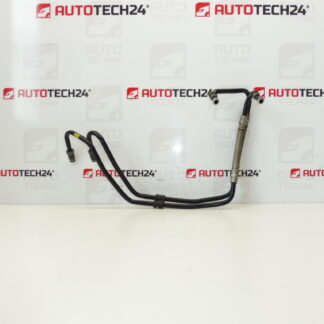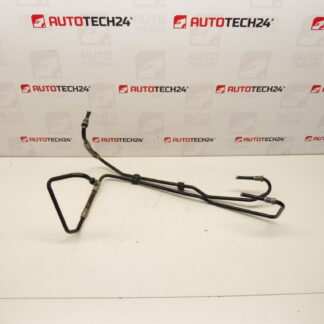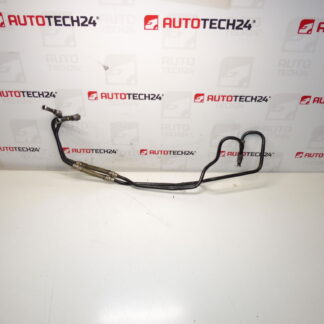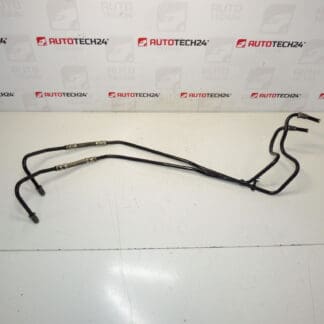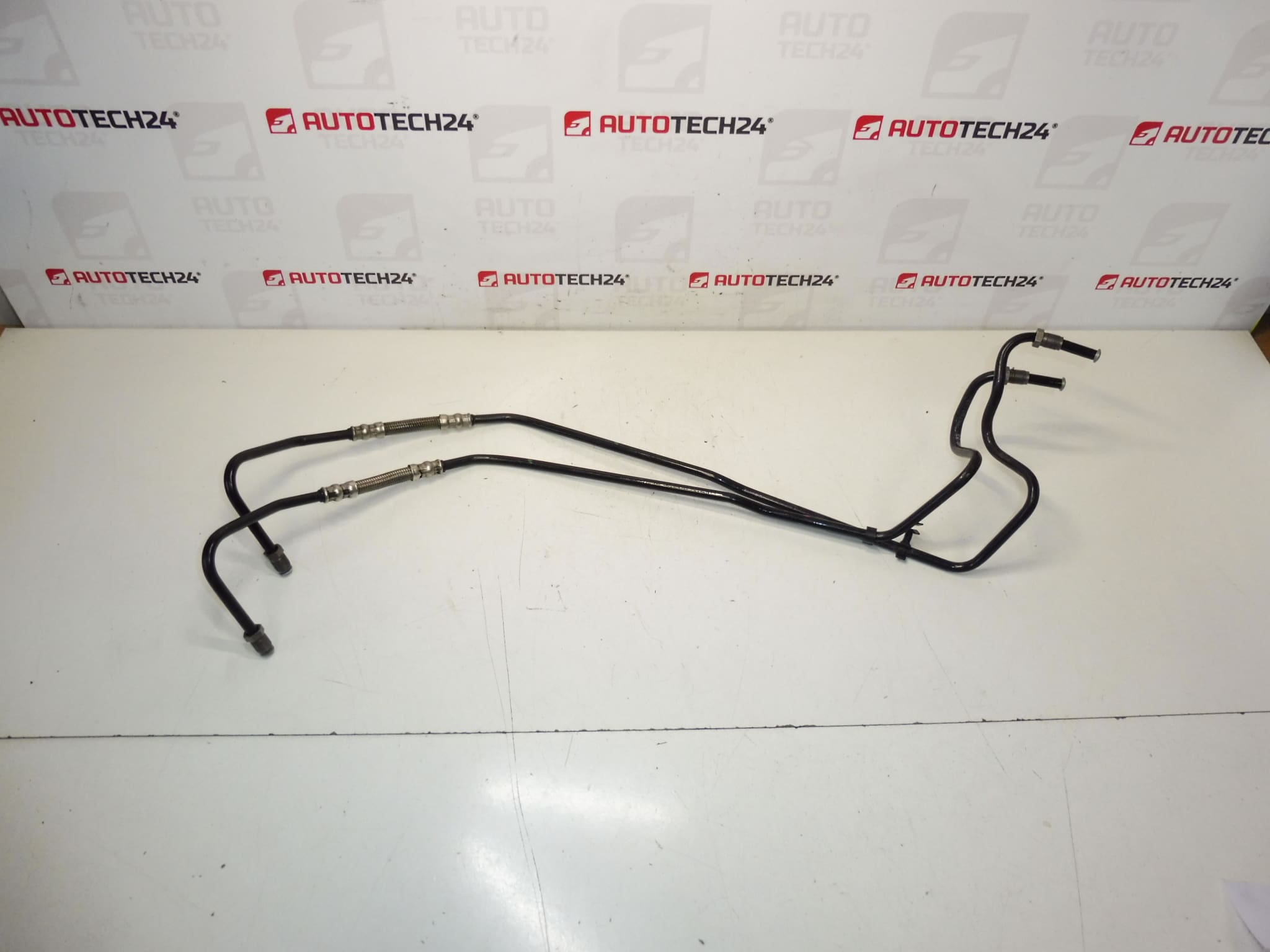
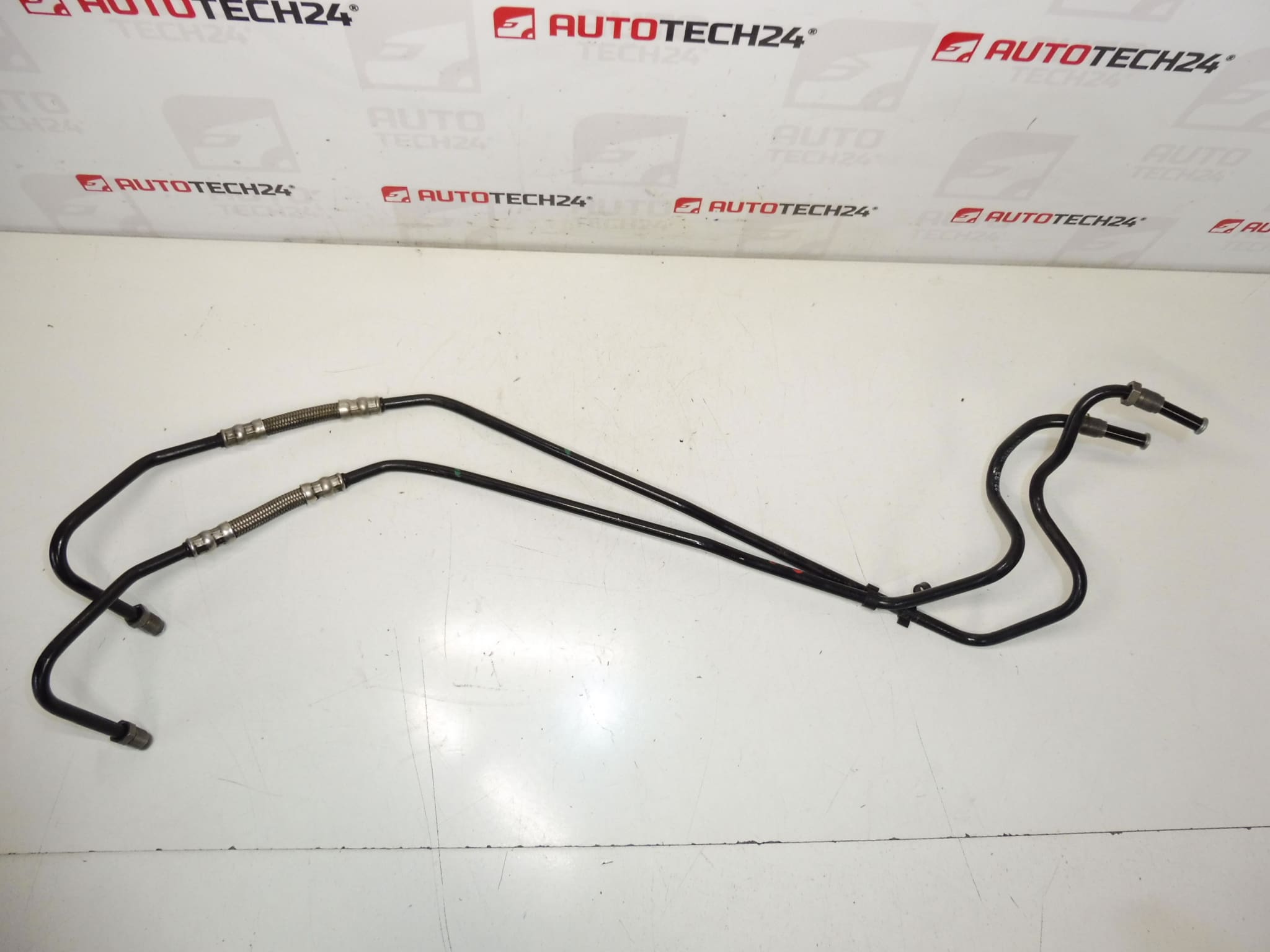
Description
Brake Pipe To ABS/ESP Module For Citroën C4 II And Peugeot 308 T7
This brake pipe is intended for connection to the ABS/ESP hydraulic module on Citroën C4 II and Peugeot 308 (T7). It is a direct-fit replacement part commonly searched by product codes 4888L4 and 4888L5, engineered to restore secure hydraulic connection between the ABS/ESP unit and the vehicle brake circuits. Designed for professional workshops and competent DIY mechanics, the line helps eliminate leaks, reduce the risk of air ingress and maintain stable brake pressure under dynamic driving conditions.
Applications
Suitable For:
- Citroën C4 II
- Peugeot 308 (T7)
Technical Information
- Manufacturer: Stellantis
- Model: Citroën C4 II; Peugeot 308 (T7)
- Product Codes: 4888L4, 4888L5
- Other Numbers: Not Available
Function
The brake pipe transfers hydraulic brake fluid between the ABS/ESP control module and the vehicle brake circuits. It ensures consistent fluid flow and pressure transmission required for normal braking and for the ABS/ESP system to modulate braking in emergency or low-traction situations. A correctly fitted, leak-free pipe is essential for reliable brake performance and safety.
Common Failure Causes
- Corrosion from road salt and moisture leading to pitting and perforation of the tube.
- Mechanical damage from impacts, stones, or improper routing during service.
- Fatigue and cracking at bends or connection points due to vibration and thermal cycling.
- Leaks caused by damaged or worn sealing washers and fittings.
Reasons For Failure — Why This Part Breaks Most Often
The most frequent cause is external corrosion, especially in regions that use de-icing salts. Corrosion weakens the metal and eventually causes fine cracks or holes. Improper handling during previous repairs (kinking, over-tightening fittings) is another common contributor. Repeated vibration and road debris also accelerate wear at exposed sections and at connection points.
Installation Recommendation
Recommended For: Experienced Mechanics Or Competent DIYers
- Always follow the vehicle manufacturer’s service manual and safety procedures.
- Before starting, depressurize the brake system and protect the vehicle (use axle stands if lifted).
- Drain or capture brake fluid to avoid contamination and spills. Brake fluid can damage paint—protect surfaces.
- Remove old pipe carefully to avoid introducing dirt into the ABS/ESP module. Replace any associated sealing washers, clips and banjo/union bolts with new parts.
- Fit the new pipe following original routing; avoid sharp bends and ensure secure mounting to prevent chafing.
- Tighten fittings to the manufacturer’s torque specifications. If torque values are unknown, consult the repair manual for exact figures.
- After installation, thoroughly bleed the brake system to remove air. Use a pressure or vacuum bleeder or follow a manufacturer-specified bleeding sequence. Cycle the ABS/ESP through at least one activation cycle if required to purge trapped air (tool-assisted cycling may be necessary for complete bleeding).
- Check for leaks with the system pressurized and perform a careful road test to confirm correct brake response.
Practical Tips
- When replacing pipes near the ABS/ESP module, inspect the module fittings and surrounding hoses for corrosion or contamination.
- Always use the correct grade of brake fluid specified by the manufacturer and replace contaminated fluid after repairs.
- Keep original part codes (4888L4, 4888L5) handy when searching catalogs or ordering to speed up identification.