Description
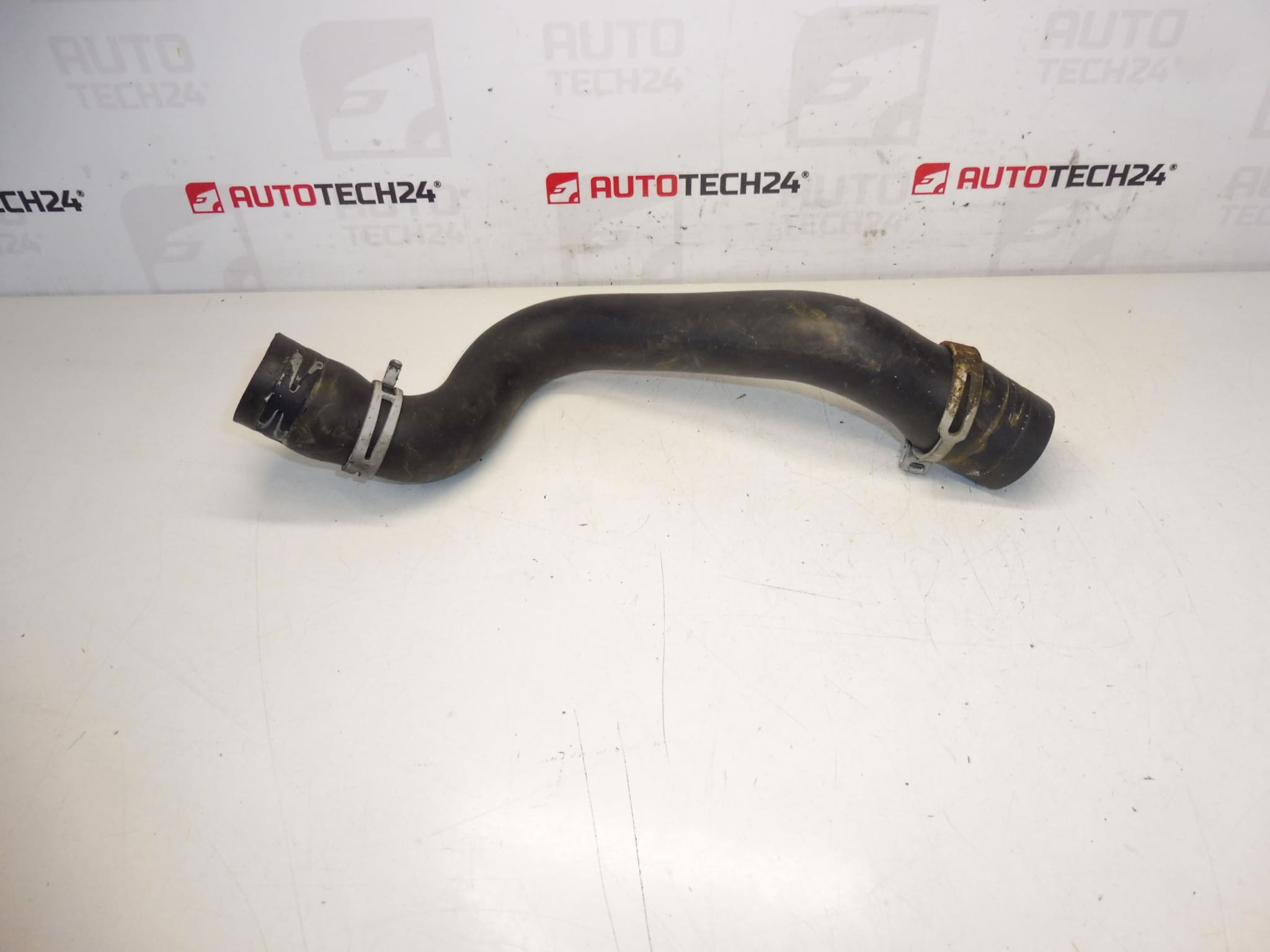
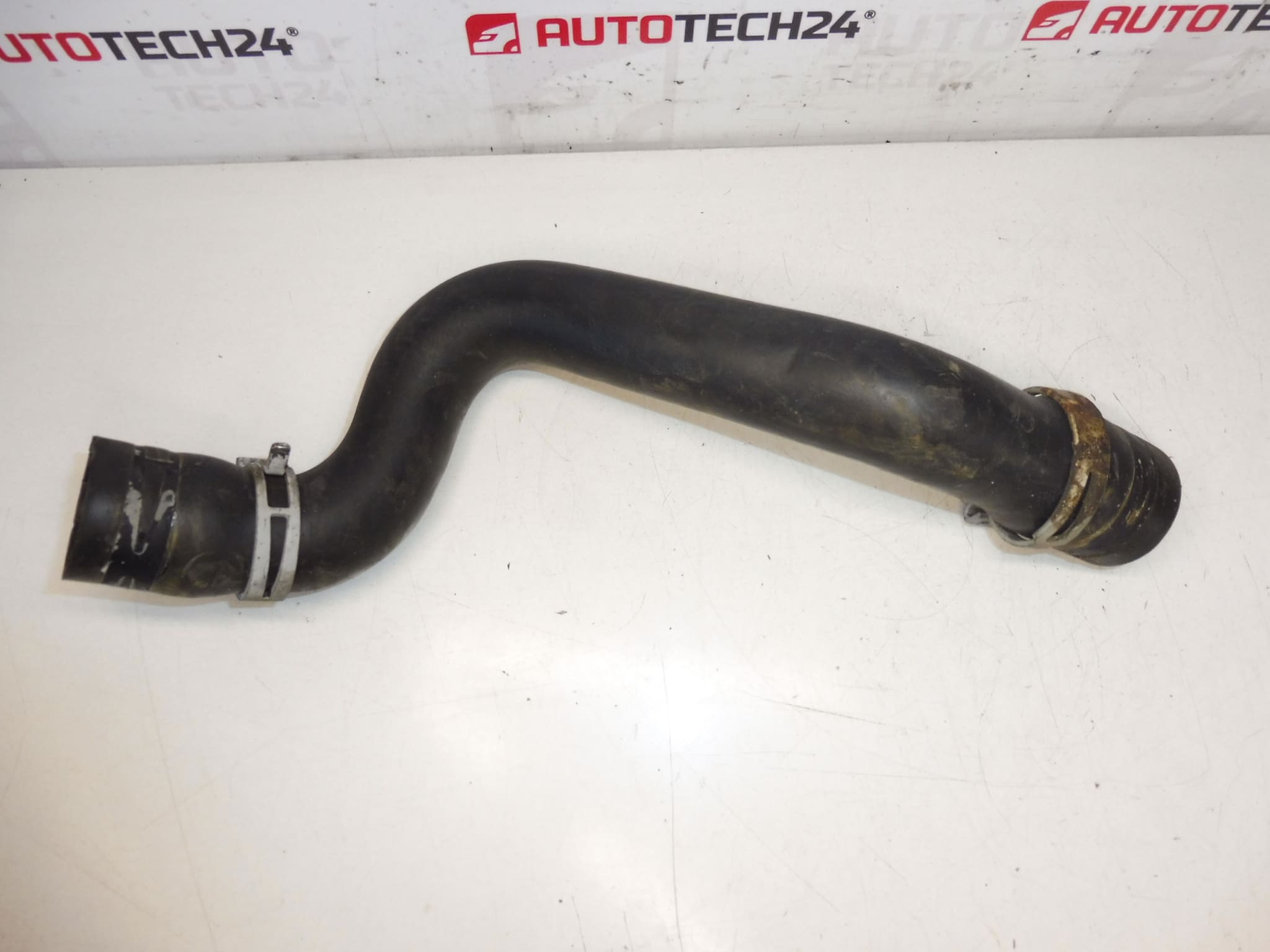
Water Hose For Citroën And Peugeot Vehicles With 2.0 HDi RH02 Engine.
This water hose is a direct-fit cooling system component designed for Citroën and Peugeot 2.0 HDi (RH02) engines. Supplied to meet the demands of professional workshops and competent DIY mechanics, the hose provides reliable coolant routing, durable construction and is commonly referenced under part code 1343LJ. Ideal for replacing brittle or leaking original hoses to restore correct coolant circulation and prevent overheating.
Technical Information
- Manufacturer: Stellantis (Citroën / Peugeot)
- Model: 2.0 HDi RH02
- Product Codes: 1343LJ
- Additional Numbers: Stellantis OEM Reference
Compatibility
Typical applications include, but are not strictly limited to, the following models equipped with the 2.0 HDi RH02 engine:
- Citroën C4 II
- Citroën C4 Picasso II
- Citroën C5 X7
- Citroën C8
- DS4
- DS5
- Peugeot 3008 I
- Peugeot 308
- Peugeot 5008 I
- Peugeot 807
Function
The hose is part of the engine cooling circuit and carries engine coolant between cooling components (for example thermostat housing, radiator, heater matrix or cylinder head connections depending on vehicle routing). Its proper condition is essential for stable engine temperature, heater performance and prevention of local hotspots that can cause engine damage.
Typical Failure Modes
- Rubber aging and hardening due to heat cycles, causing cracks or splits.
- Abrasive wear from contact with adjacent components or improper routing.
- Chemical degradation from incorrect coolant or oil contamination.
- Clamp failure or loosening leading to leaks at hose joints.
Recommended Replacement Interval
There Is No Fixed Universal Interval. Inspect Hoses During Regular Service Intervals And Replace If You See Soft Spots, Cracks, Bulges Or Leaks. As A Rule Of Thumb, Rubber Cooling Hoses Are Often Replaced When The Vehicle Is Older, After Significant Mileage Or When Any Signs Of Degradation Appear.
Replacement Procedure (Overview)
- Allow Engine To Cool Completely Before Work.
- Relieve System Pressure And Drain Coolant To A Level That Allows Safe Removal Of The Hose.
- Loosen Hose Clamps Or Remove Quick Connect Fittings; Note Their Position For Reassembly.
- Remove The Old Hose, Clean Mating Surfaces And Inspect Connecting Necks For Damage Or Corrosion.
- Fit The New Hose In The Correct Orientation, Use New Clamps Or Factory-Style Clips Where Applicable.
- Tighten Clamps Securely But Avoid Over-Tightening Which Can Damage The Hose.
- Refill Cooling System With Manufacturer-Specified Coolant Mixture, Bleed Air From The System According To The Service Procedure.
- Run Engine To Operating Temperature, Check For Leaks And Re-Check Coolant Level After A Short Test Drive.
Installation Recommendations
- Always Work On A Cold Engine. Hot Coolant Can Cause Severe Burns.
- Use OEM-Spec Coolant And The Correct Concentration To Avoid Premature Hose Degradation.
- Replace Hose Clamps Or Fasteners If They Show Signs Of Corrosion Or Wear.
- Inspect Nearby Components — Thermostat, Water Pump And Heater Matrix — When Replacing Hoses; Replacing Multiple Components At Once Saves Labor.
- Follow Manufacturer Bleeding Procedure To Prevent Air Locks; Proper Bleeding Ensures Correct Heater And Cooling Performance.
- Dispose Of Drained Coolant According To Local Regulations.
Why This Part Is Often Replaced
Cooling Hoses Are Exposed To Constant Temperature Cycles And Chemical Exposure, Which Gradually Degrades The Rubber. Over Time This Leads To Cracking, Swelling Or Sudden Rupture. Mechanical Damage And Loose Or Corroded Clamps Also Commonly Cause Leaks. Replacing A Worn Hose Early Prevents Overheating, Loss Of Coolant And Secondary Damage To The Engine.
Search Tip: The Part Is Frequently Searched By Code 1343LJ Or By The Vehicle Model Names Listed Above; Use These References When Ordering Or Comparing Fitment.