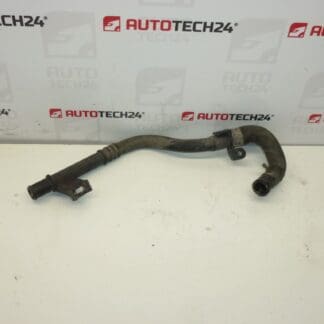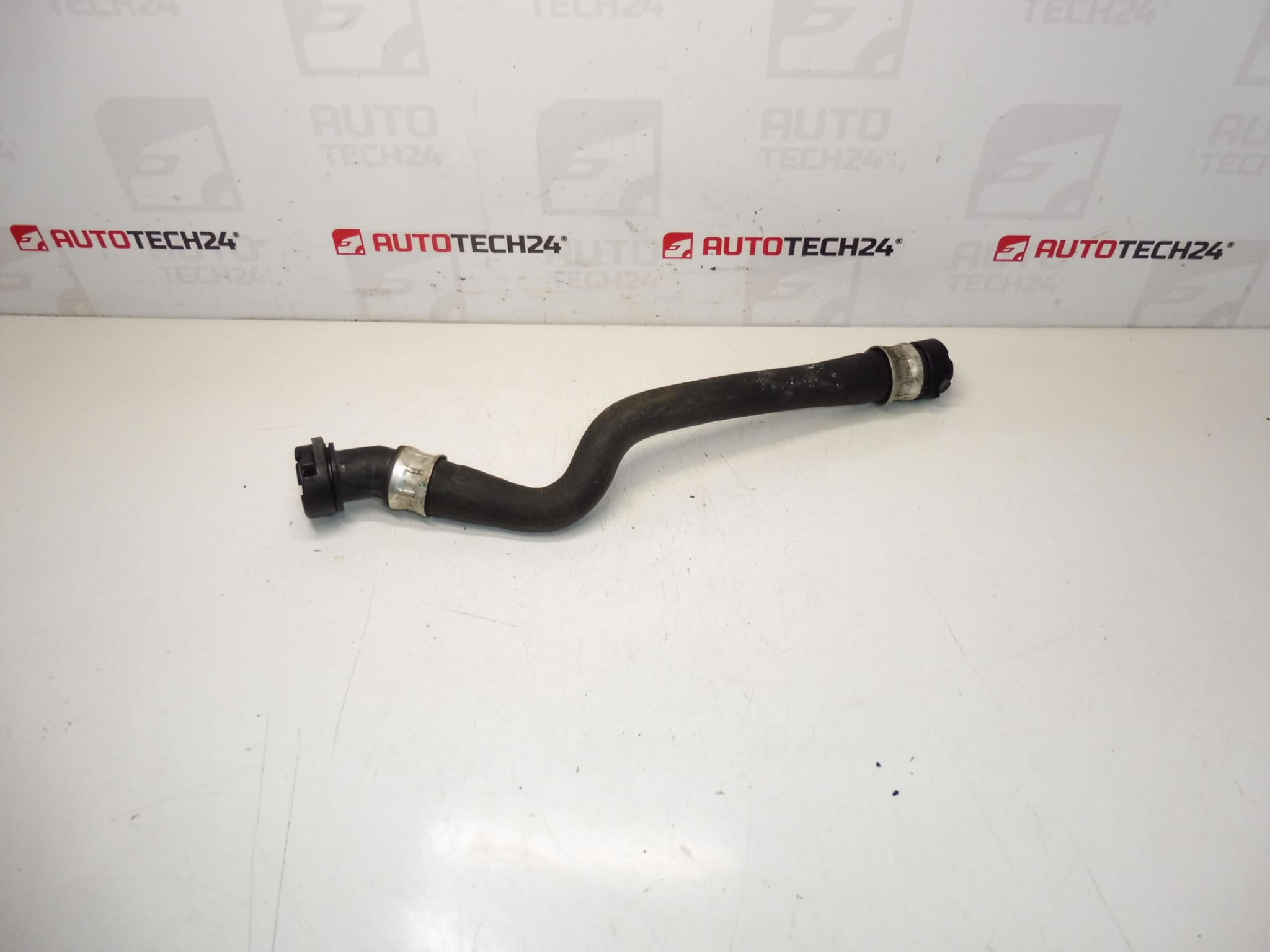
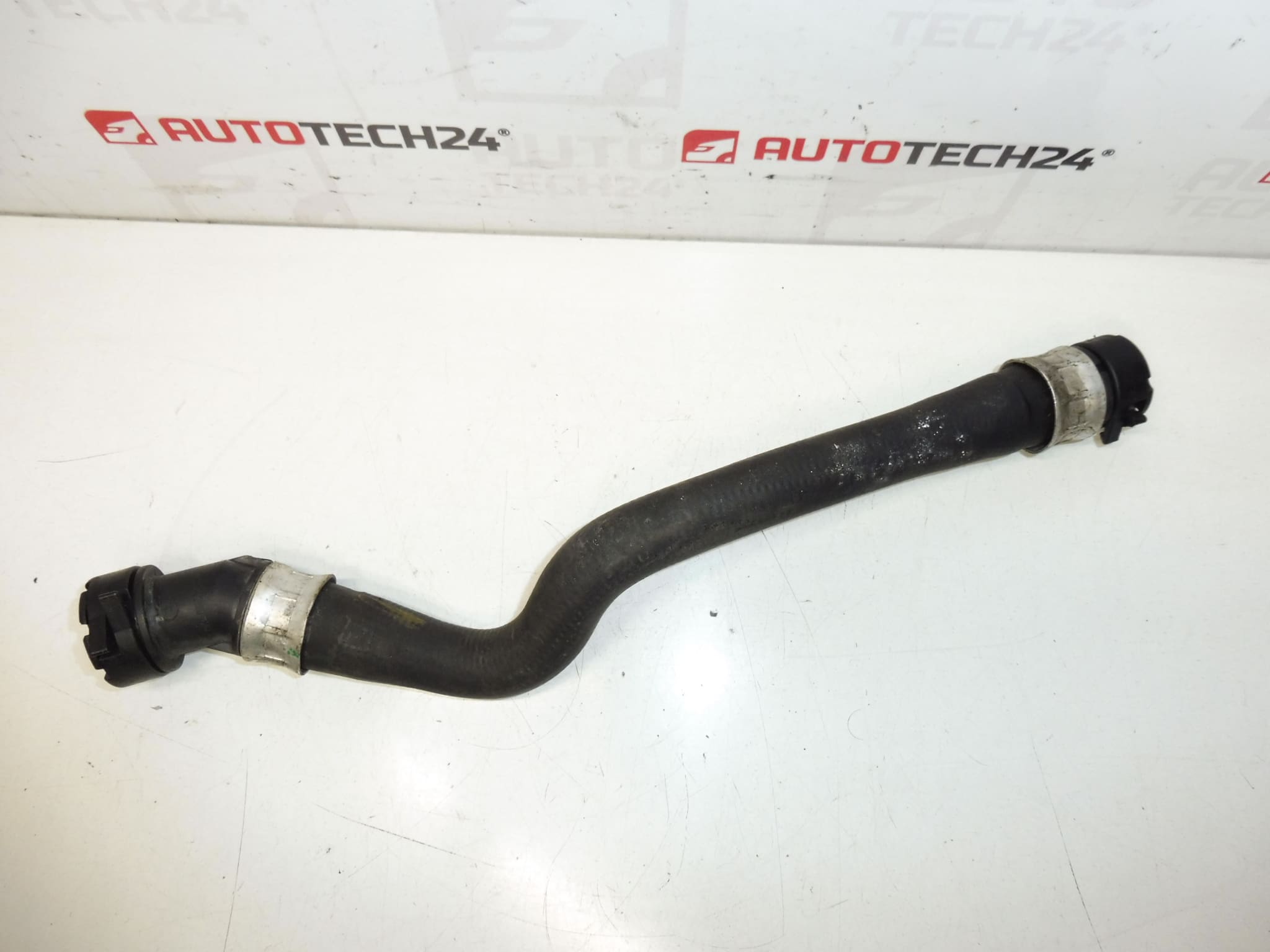
Description
Resonator – Turbo Noise Silencer For 1.6 eHDI Engines For Citroën And Peugeot Vehicles
This resonator (turbo noise silencer) is designed for 1.6 eHDI diesel engines used in Citroën and Peugeot models. Manufactured to match OEM fit and function, the unit reduces turbo noise and smooths pressure pulses in the intake tract, helping to improve drivability and reduce unwanted resonance under load. Commonly searched under part numbers 9687261180 and 1440R2, this component is suitable for professional workshops and experienced DIY mechanics who maintain Stellantis diesel engines.
Function And Benefits
The resonator dampens high-frequency pulsations generated by the turbocharger and intake system. By smoothing pressure waves it reduces audible turbo howl, prevents boost irregularities and contributes to more linear throttle response. Benefits include:
- Reduced Turbo Noise And Resonance
- Smoother Intake Pressure Delivery
- Direct OEM Fit For 1.6 eHDI Applications
- Easy Replacement Using Standard Workshop Tools
Technical Information
- Manufacturer: Stellantis
- Model: Citroën Berlingo B9; Citroën Berlingo III; Citroën C3 Picasso; Citroën C4 II; Citroën C4 Picasso; Peugeot 3008 I; Peugeot 308; Peugeot 5008 I; Peugeot Partner III; Peugeot Partner Tepee
- Product Codes: 9687261180; 1440R2
- Other Numbers: 9687261180 (OEM Reference); 1440R2 (Alternative Code)
Replacement Procedure
Aimed at trained mechanics and competent DIYers. Basic replacement steps:
- Allow Engine And Turbo To Cool Completely Before Starting Work.
- Loosen And Remove Clamps On The Intake/Charge-Air Hoses Connected To The Resonator.
- Carefully Detach Hoses From Resonator Outlet And Inlet; Inspect For Cracks Or Hardened Sections.
- Remove Any Fasteners Securing The Resonator To The Engine Bay Or Intake Structure.
- Fit New Resonator Ensuring Correct Orientation And Secure All Clamps And Brackets.
- Torque Clamps To Manufacturer Or Good-Practice Levels; Recheck Hose Seating And Clearance From Hot Components.
- Start Engine And Check For Air Leaks, Unusual Noises And Proper Boost Behavior; Test Drive To Verify Operation.
Installation Recommendations
- Work With A Cool Engine To Avoid Burns From Turbo And Pipes.
- Replace Any Worn Hoses, Clamps Or Mounting Hardware At The Same Time To Ensure A Reliable Repair.
- Inspect Adjacent Components (Turbo Outlet, Intercooler Hoses) For Oil Deposits Or Damage.
- Use Corrosion-Resistant Clamps And Ensure Proper Hose Engagement To Prevent Leaks.
- After Installation, Perform A Visual Inspection And A Short Road Test To Confirm There Are No Leaks Or Vibrations.
Reason Why The Part Fails Most Often
- Soot And Oil Contamination: Diesel engines and EGR systems can deposit soot and oil in the resonator, causing clogging and loss of acoustic damping.
- Heat And Vibration Fatigue: Repeated thermal cycles and engine vibrations can lead to cracks or split seams in the resonator housing or joints.
- Corrosion: Exposure to road salt and moisture accelerates corrosion on metal parts and clamps, compromising seals.
- Poor Hose Clamps Or Incorrect Installation: Loose or damaged clamps allow air leaks and accelerate wear.
Notes For Buyers
Searchable By Part Number: Many customers locate this item using codes 9687261180 or 1440R2. Ideal For Workshop Use And Experienced DIY Repair. Ensure Visual Inspection Of Surrounding Intake Components When Replacing The Resonator To Prevent Recurring Issues.
Warranty And Quality
This part is supplied to fit specified 1.6 eHDI applications. Check product descriptions and images to confirm physical compatibility with your vehicle mounting points and hose diameters before installation.