Description
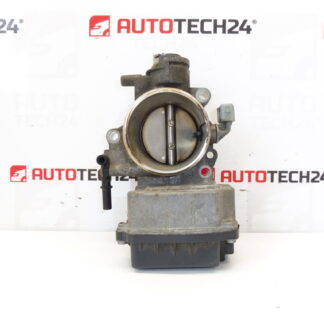
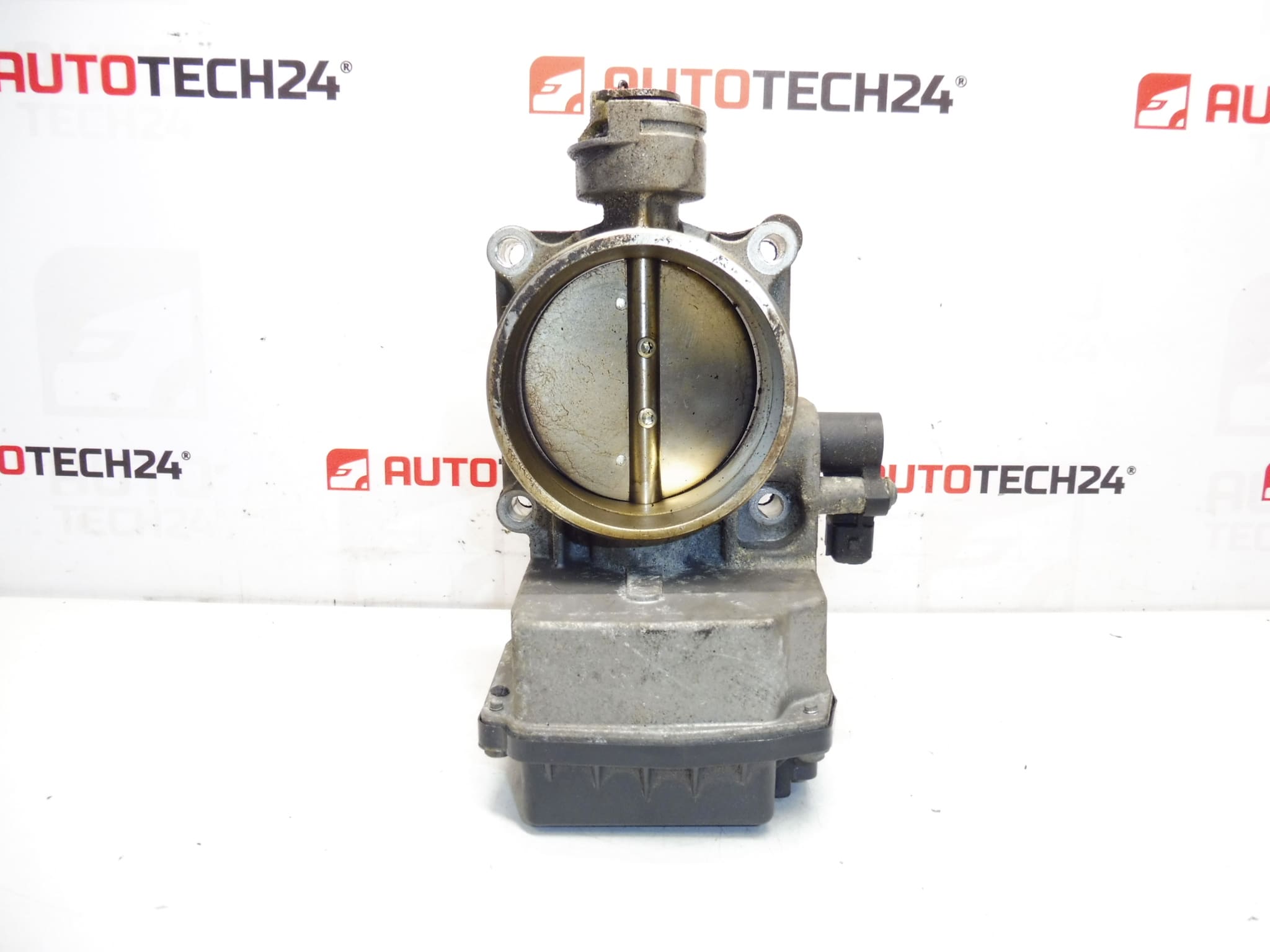
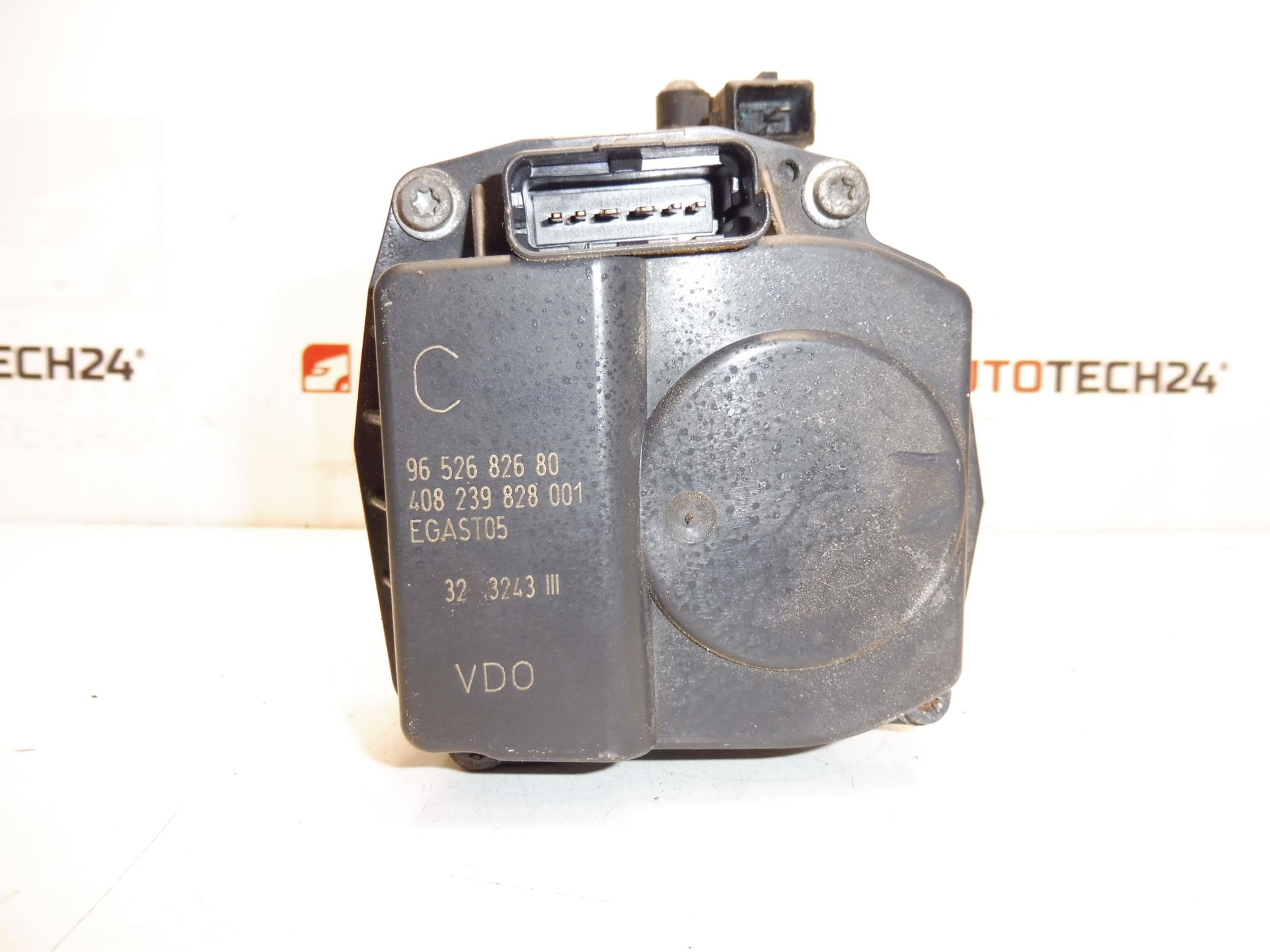
Throttle Body, VDO Intake Throttle Body Housing. For 2.0 16V 130 kW Engines Suitable For Citroën And Peugeot Vehicles. Tested And Fully Functional, Removed From A Vehicle With 128000 Km.
This VDO throttle body is a direct-fit air intake control unit designed for certain Citroën and Peugeot petrol engines. It precisely regulates the amount of air entering the engine, ensuring correct air–fuel ratio, stable idle and immediate throttle response. The part number references (9652682680, 1635T7) are commonly used in searches, making this unit easy to find for mechanics and DIY enthusiasts looking for a reliable replacement.
Technical Information
- Manufacturer: VDO
- Model: For 2.0 16V 130 kW Engines; Common Applications Include Citroën C4, Peugeot 206, Peugeot 307
- Product Codes: 9652682680, 1635T7
- Additional Numbers: NFP (as marked in the original short description)
Function And Benefits
The throttle body controls intake airflow to the engine by adjusting the throttle plate position according to input from the accelerator pedal and the engine control unit (ECU). A properly functioning unit delivers:
- Smoother Idle And Improved Low‑End Torque
- Accurate Throttle Response And Reduced Hesitation
- Stable Engine Running During Load Changes And Cold Start
Replacement Procedure
Intended For Professional Mechanics And Experienced DIYers. Typical Replacement Steps:
- Disconnect The Negative Battery Terminal To Prevent Electrical Damage.
- Remove Intake Ducting And Airbox To Access The Throttle Body.
- Unplug The Electrical Connector And Any Vacuum Lines Or Sensors Attached.
- Unscrew The Mounting Bolts And Remove The Throttle Body From The Intake Manifold.
- Replace The Throttle Body Gasket With A New One And Clean The Mating Surfaces.
- Refit The Unit, Reconnect Electrical Connectors And Hoses, Reassemble Intake Components.
- Reconnect The Battery And Perform An ECU/Throttle Relearn Procedure If Required (Some Vehicles Automatically Relearn Idle After Several Minutes Or A Short Drive).
Installation Recommendations
- Always Fit A New Throttle Body Gasket To Ensure Proper Sealing.
- Inspect Electrical Connectors And Wiring For Corrosion Or Damage Before Reinstallation.
- Clean The Intake Manifold Port And Surrounding Area To Prevent Contamination During Fitment.
- After Installation, Allow The ECU To Relearn Idling Behavior — Follow Manufacturer Relearn Procedure If Available Or Run The Engine Until Idle Stabilizes.
- Use Proper Tools And Evenly Tighten Fasteners To Avoid Warping The Throttle Body Flange.
Common Failure Causes
Throttle bodies on petrol engines often fail or cause drivability issues for the following reasons:
- Carbon And Oil Vapour Buildup On The Throttle Plate And Bore, Leading To Sticky Movement And Erratic Idle.
- Wear Or Failure Of The Throttle Position Sensor Or Internal Actuator, Causing Incorrect Throttle Position Feedback To The ECU.
- Vacuum Leaks Around The Throttle Body Gasket Or Intake Manifold, Resulting In Lean Conditions And Rough Idle.
- Damaged Or Corroded Electrical Connectors And Wiring Causing Intermittent Faults And Check Engine Light Warnings.
- Contamination From Faulty PCV Or EGR Systems That Accelerates Carbon Deposits.
Symptoms Of A Faulty Throttle Body
- Unstable Or High Idle, Engine Stalling At Idle
- Delayed Or Poor Throttle Response And Reduced Engine Power
- Illuminated Check Engine Light With Related Throttle Or Airflow Fault Codes
- Surging Or Hesitation Under Acceleration
For workshops and home mechanics searching by part number, the listed codes (9652682680, 1635T7) and the VDO brand will improve search visibility and compatibility matching. The unit was Tested And Fully Functional when removed from a vehicle with 128000 km, and it is ready for installation following standard fitting and relearn procedures.