Description
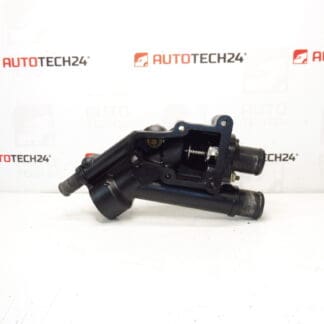
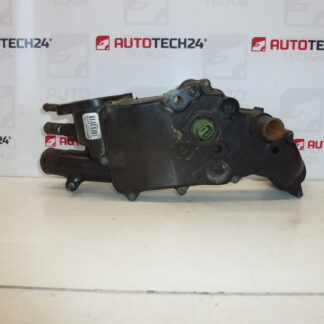
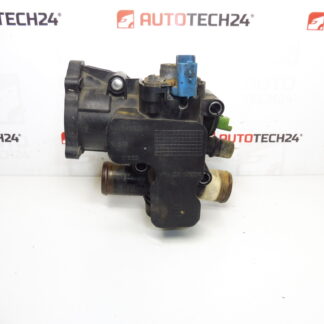
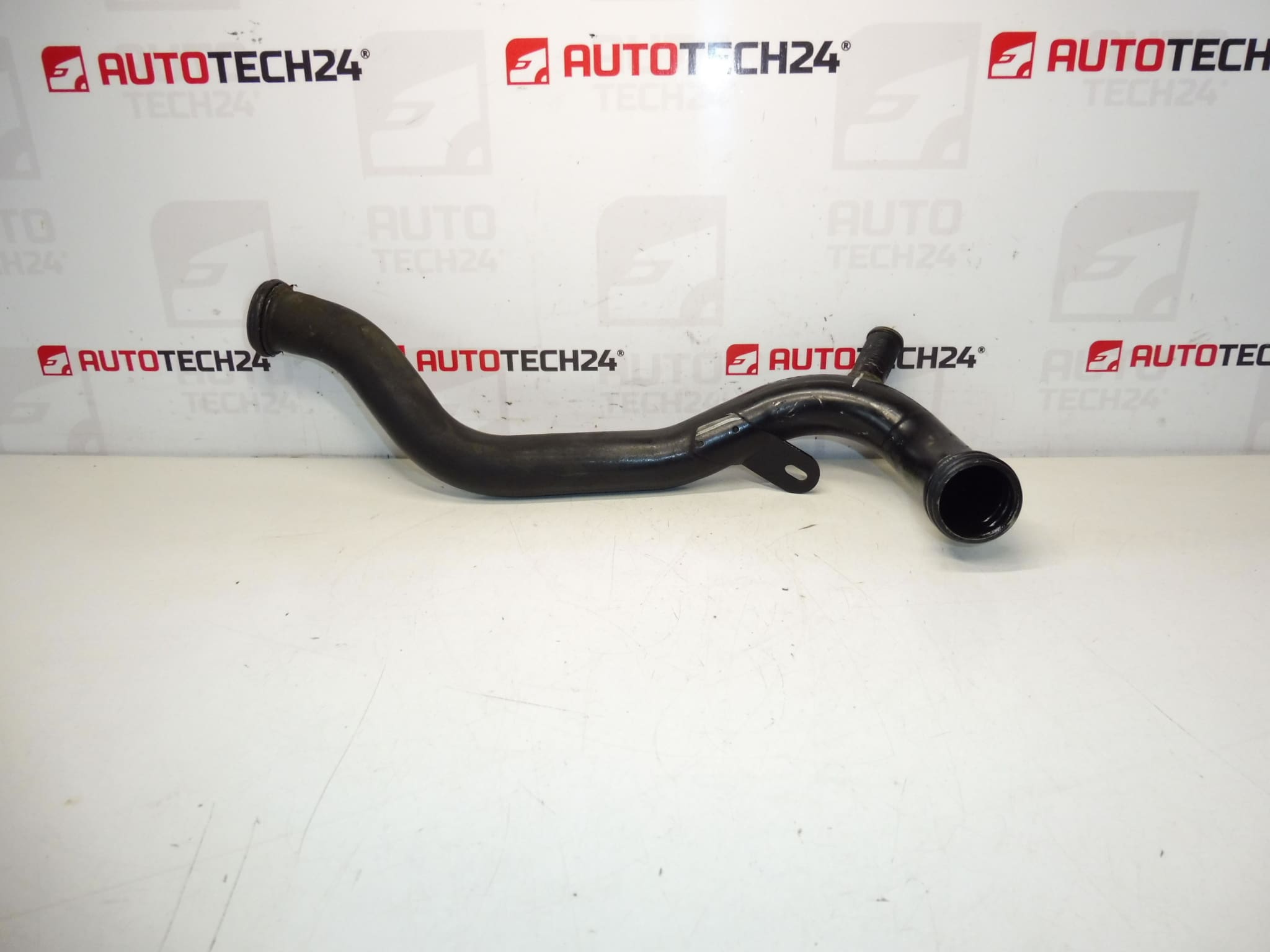
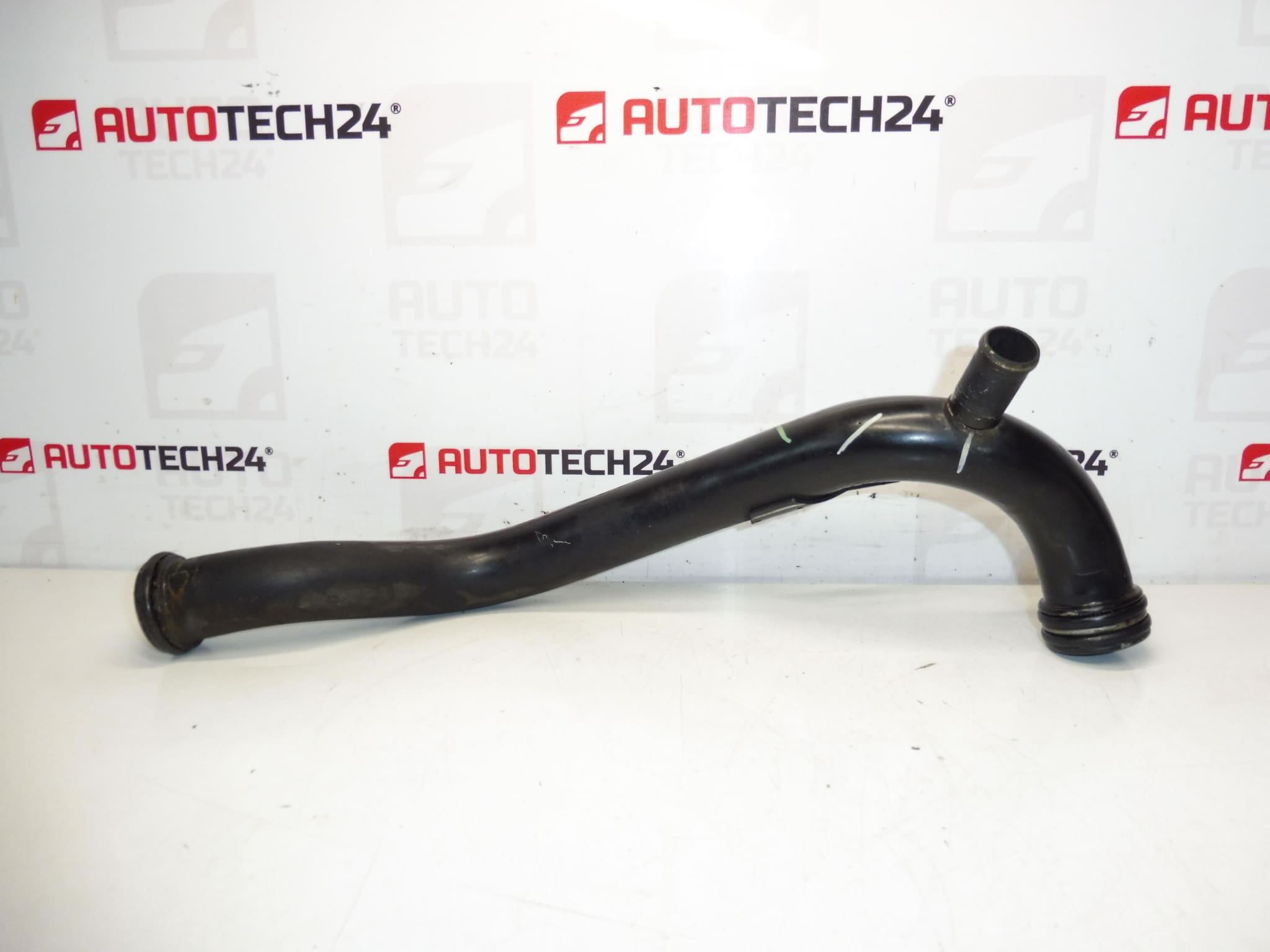
Hose (pipe) Of The Coolant Pump To The Thermostat. For 1.8 16V And 2.0 16V Engines.
This replacement coolant pump hose (thermostat pipe) with reference 1341F9 is a direct-fit solution for many Citroën and Peugeot vehicles equipped with 1.8 16V and 2.0 16V engines. Designed for professional workshops and DIY enthusiasts alike, it restores correct coolant flow between the water pump and the thermostat housing, helping the cooling system reach and maintain optimal engine temperature. Frequently searched under the code 1341F9, this part is ideal when you need a reliable, easy-to-fit hose to prevent overheating or coolant loss.
Technical Information
- Manufacturer: Stellantis / Citroën / Peugeot
- Model: Citroën C4; Citroën C4 Picasso; Peugeot 307; Peugeot 407
- Product Codes: 1341F9
- Additional Numbers: None Available
Function
The Hose Connects The Coolant Pump To The Thermostat Housing And Ensures Uninterrupted Circulation Of Engine Coolant. By Routing Coolant From The Pump To The Thermostat, It Helps The Engine Reach Operating Temperature Quickly And Maintains Stable Cooling Under Load.
Fitment
This hose Is Intended For 1.8 16V And 2.0 16V Petrol Engines Found In Selected Citroën And Peugeot Models. Common Applications Include Citroën C4, Citroën C4 Picasso, Peugeot 307, And Peugeot 407. Customers Often Search By The Product Code 1341F9 To Find The Correct Replacement Part.
Replacement Procedure
Basic Steps For Replacement (Recommended For Experienced Mechanics Or Competent DIYers):
- Ensure The Engine Is Cold. Relieve Any System Pressure Before Opening The Cooling System.
- Drain Coolant Partially Or Fully To A Level Below The Hose Connection Points.
- Loosen And Remove Hose Clamps, Then Remove The Old Hose Carefully.
- Inspect Mating Surfaces (Pump Outlet And Thermostat Housing) For Corrosion Or Damage.
- Install The New Hose In Correct Orientation, Fit New Clamps If Possible, And Secure Clamps Evenly.
- Refill Cooling System With The Correct Coolant Type And Concentration Per Manufacturer Specification.
- Bleed Air From The System Following The Vehicle Manufacturer’s Procedure, Run The Engine To Operating Temperature And Recheck For Leaks.
Installation Recommendations
Always Replace Hose Clamps When They Show Signs Of Corrosion Or Wear. Use Coolant Specified By The Manufacturer And Observe Proper Bleeding Procedures To Avoid Air Pockets. Inspect Nearby Components (Thermostat, Water Pump, Radiator Connections) When Replacing The Hose; If One Component Shows Excessive Wear, Consider Replacing It Simultaneously To Avoid Repeat Repairs. Dispose Of Used Coolant Responsibly.
Most Common Failure Reasons
Hoses Fail Primarily Due To Ageing And Repeated Heat Cycles, Which Cause Material Hardening Or Cracking. Secondary Causes Include Coolant Contamination, Oil Contact, Abrasion From Adjacent Components, Corroded Or Loose Clamps, And Overheating Episodes That Accelerate Deterioration. Regular Inspection During Routine Service Intervals Helps Catch Early Signs Of Swelling, Soft Spots, Or Leaks.
Order By Product Code 1341F9 For A Fast Search And Accurate Fitment. This Part Is Suited For Professional Garages And Competent DIY Mechanics Who Require A Straightforward, Reliable Replacement For The Coolant Pump-To-Thermostat Connection.