Description
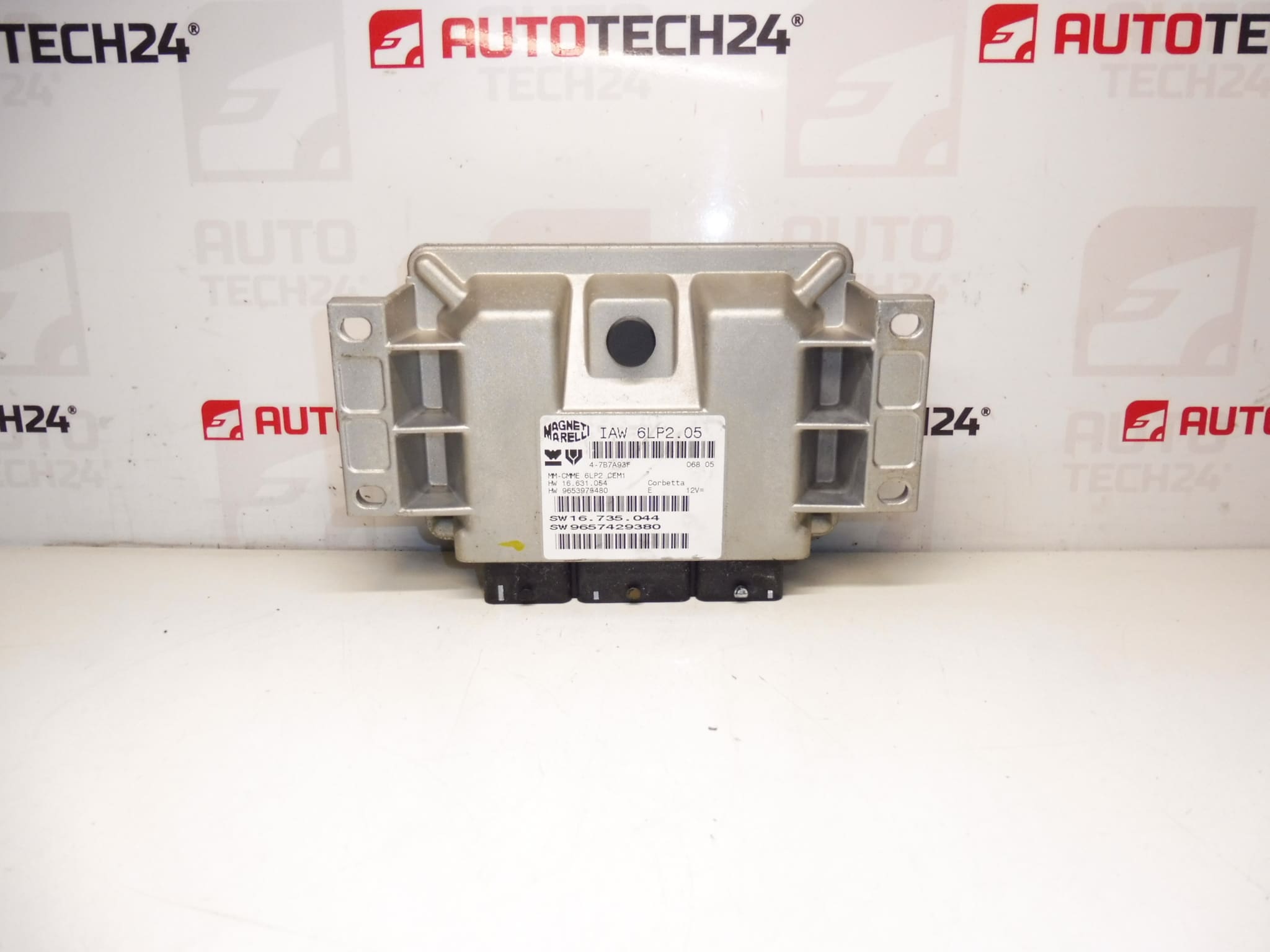
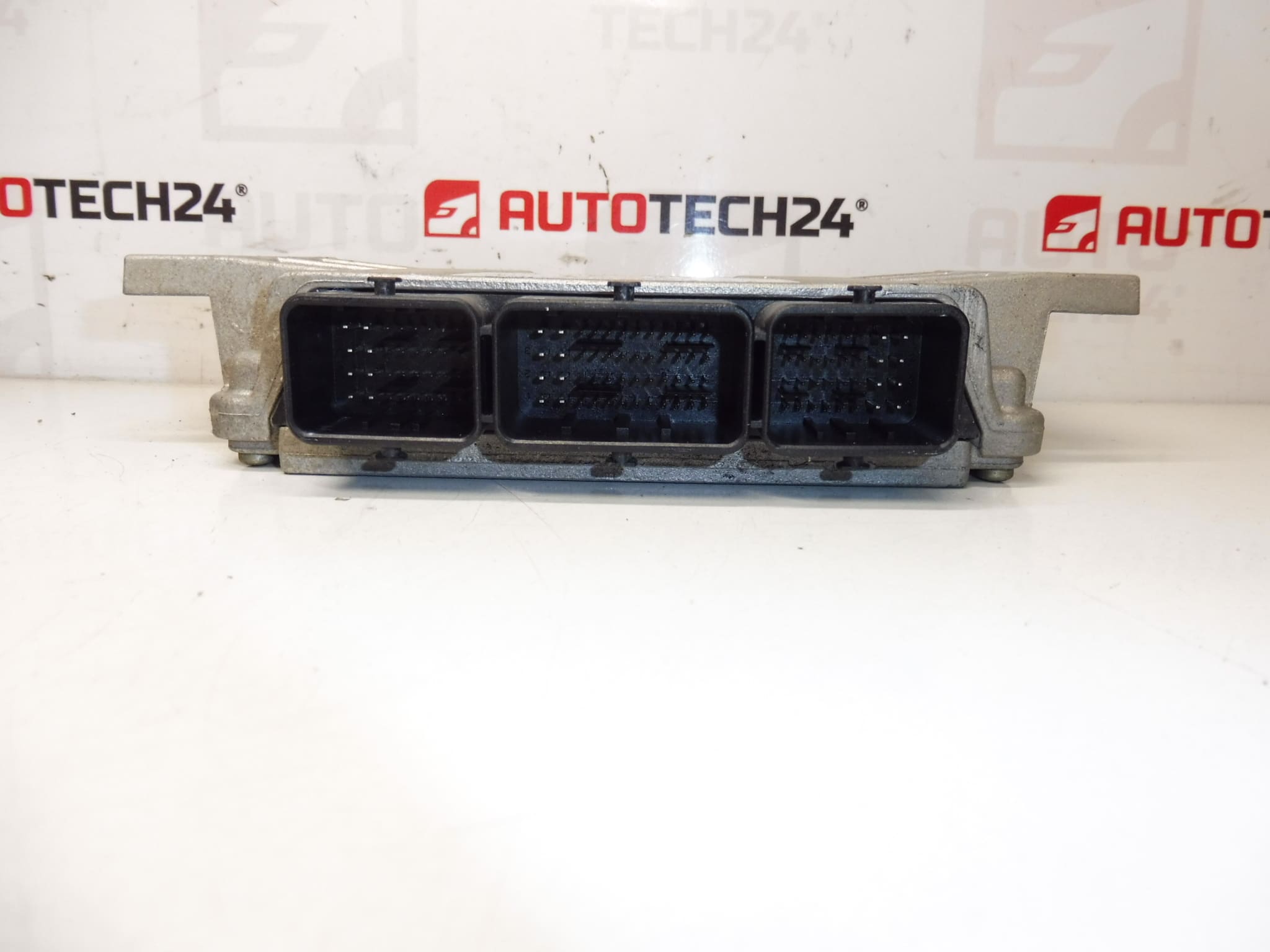
Control Unit Magneti Marelli IAW 6LP2.05
Fits 1.4 16V KFU Engines For Citroën And Peugeot Vehicles
Taken From Citroën C4
The Magneti Marelli IAW 6LP2.05 engine control unit (ECU), commonly referenced by part numbers 9653979480 and 9657429380, is a direct-fit unit for 1.4 16V KFU petrol engines used on various Citroën and Peugeot models such as Citroën C4 and Peugeot 307. Designed to manage injection, ignition timing and core engine functions, this ECU ensures reliable idle control, throttle response and emission regulation. Mechanics and experienced DIYers often search by the OEM codes (9653979480, 9657429380, 16.631.054, 16.735.044) when replacing or troubleshooting engine management problems.
Technical Information
- Manufacturer: Magneti Marelli
- Model: Fits 1.4 16V KFU Engines (Citroën / Peugeot)
- Product Codes: IAW 6LP2.05, 9653979480, 9657429380
- Other Numbers: 16.631.054, 16.735.044, 1940XH, 1940XJ, NFP
Installation And Coding – Important
- The unit is used and is “paired” with the original vehicle (VIN/PIN/keys).
- Options to enable the unit:
- Cloning data from the old unit (EEPROM/Flash) – after cloning the unit is plug and play.
- Virginization and subsequent initialization/telecoding via DiagBox (or online) + key adaptation.
- Recommended to be performed by a specialist with PSA service equipment (DiagBox / Lexia / PP2000).
- Always disconnect the battery before removal/installation and follow the manufacturer’s procedure to avoid damaging the unit.
Installation Recommendations
- Disconnect the negative battery terminal and wait a few minutes to reduce the risk of short circuits and ESD damage.
- Handle the ECU by its housing; avoid touching connector pins or circuit board areas exposed during servicing.
- Inspect and clean the wiring harness connector and pins. Corrosion or bent pins are common causes of poor contact.
- Secure the unit in its mounting position with the correct fasteners and any sealing gaskets to prevent moisture ingress.
- After mechanical replacement, perform cloning or proper initialization/coding before first start. Verify with scan tool that all engine parameters are normal and no persistent fault codes remain.
How Replacement Is Performed
Typical replacement steps: disconnect the battery, gain access to the ECU location (varies by model), unplug electrical connectors, remove mounting screws, replace the unit, reconnect connectors and battery, then perform cloning or virginization and coding as required. Final checks include clearing and reading fault codes, confirming sensor inputs and running engine tests at idle and load.
Most Common Failure Causes
- Water Ingress Or Moisture Exposure Causing Short Circuits Or Corrosion.
- Connector Corrosion, Broken Contacts Or Damaged Wiring Harness.
- Thermal Stress And Repeated Heating/Cooling Cycles Leading To Solder Joint Cracks.
- Electrical Surges From Faulty Charging Systems Or Jump-Starting Incidents.
- Software Corruption Or Loss Of Calibration Data After Power Interruptions.
Symptoms Of A Faulty Unit
- Engine Cranks But Does Not Start, Or Intermittent Starting Problems.
- Erratic Idle, Stalling, Misfires Or Loss Of Power.
- Check Engine Light Illuminated With Engine Management Fault Codes.
- Poor Fuel Economy Or Unstable Engine Behaviour.
Because this ECU is often identified and ordered by its product numbers, include the OEM codes when searching or requesting replacements. For safe and reliable commissioning, cloning or professional initialization with PSA diagnostic tools is strongly recommended.